 by Peter Illés on December 24th, 2025
Eastern Europe is quietly becoming one of the most rewarding regions in Europe for multi-day cycling holidays. With fewer crowds than the Alps, Tuscany, or the Balearic Islands, it offers something increasingly rare: vast spaces, raw nature, and routes that still feel like discoveries rather than attractions.
From long gravel tracks through forests to mountain passes that rival the great Alpine climbs, the region rewards cyclists who value progression and place over ticking boxes. Strong food cultures, living traditions, and a slower rhythm of travel add depth to the riding, helping explain why more riders are starting to look east.
This guide explores key cycling destinations in Eastern Europe, the styles of bike tours they suit best, and how to choose the right region for your next trip.
Cycling Destinations in Eastern Europe
Eastern Europe is not a single cycling experience. Terrain, culture, road character, and riding style can change dramatically from country to country, sometimes within the span of a single day.
🇧🇬 Bulgaria
Bulgaria combines mountain riding, agricultural landscapes, and deeply rooted food traditions. The Stara Planina (Balkan Mountains) and the Rhodope range offer long, steady climbs on roads that feel functional rather than touristic, while lower-lying plains and vineyard regions lend themselves to relaxed touring and wine-focused routes.
Once off the main corridors, roads tend to follow local life rather than transit needs. Days often finish with shopska salad, grilled meats, fresh bread, and local wine, eaten slowly and without ceremony. Bulgaria suits cyclists who enjoy mountain terrain balanced by cultural texture and food-led evenings, without the crowds of better-known European destinations.
🇷🇴 Romania
Romania offers one of the most varied cycling landscapes in Eastern Europe. Within a single trip, riders can pass medieval Saxon villages, Orthodox monasteries, rolling farmland, dense forests, and high mountain passes in the Carpathians.
Its appeal lies in the sheer density of secondary roads and dirt tracks. Once off major arteries, riding becomes fluid and uninterrupted, shaped by terrain rather than traffic. Gravel riders, in particular, encounter a vast network of forest roads and agricultural connectors that rarely feature in mainstream cycling routes.
Cycling also fits naturally into daily life. Family-run guesthouses, regional cooking, and an open, informal hospitality make multi-day tours feel personal and grounded. Romania works equally well for road, gravel, touring, and e-bike cyclists, especially those seeking rural authenticity supported by local knowledge rather than heavy infrastructure.
If you want to dive deeper into cycling in Romania, check out our guide to cycling in Romania.

Cycling in Romania often means cycling along endless pastures and wildflower meadows.
🇲🇩 Moldova
Moldova remains one of the least explored cycling destinations in Eastern Europe. What it lacks in formal cycling infrastructure, it compensates for with wine culture and agricultural landscapes.
Routes often follow farming rhythms rather than tourist flows, rewarding riders who are comfortable with simpler logistics and flexible planning. For those drawn to wines straight from the cellar, rural life, and genuine encounters, Moldova offers a strong feeling of discovery.
🇺🇦🇧🇾🇷🇺 Ukraine, Belarus, and Russia
Before 2022, these countries once encompassed vast and varied cycling landscapes, from open plains to forested hills and mountain foothills, paired with deep cultural and historical layers. What they may again offer cyclists will become clearer only once the current conflict has ended. We’ll update this post as soon as circumstances allow.
🇪🇪🇱🇻🇱🇹 The Baltics
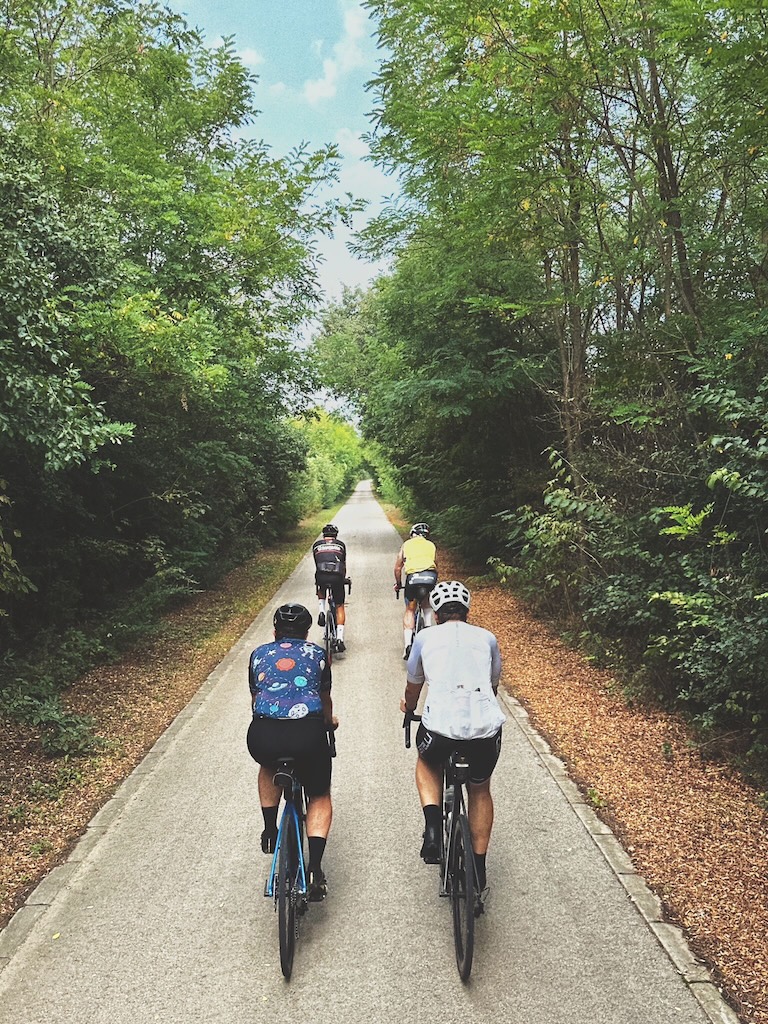
Estonia, Latvia, and Lithuania have gained recognition as a natural fit for gravel cycling. Flat to gently rolling terrain, extensive forest road networks, sandy tracks and low population density favor long, steady days in the saddle.
Riding here is calm and continuous, passing through pine forests, lakes, and small settlements. Historic Hansa towns add architectural interest and cultural contrast, making the Baltics especially appealing to riders who value distance over dramatic climbs.
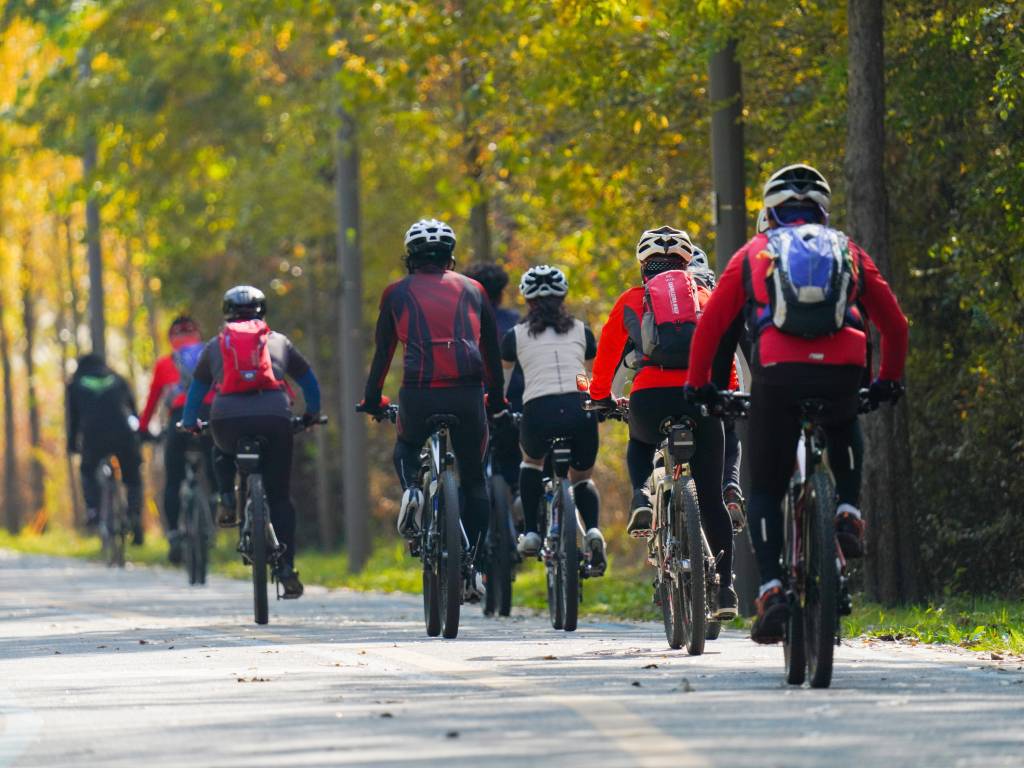
Expect flat roads and dense forests when cycling in the Baltics. 📸 by Kim Dae Jung
🇬🇪 Georgia
Georgia sits at the edge of Europe and delivers cycling at a larger scale. Routes through Kakheti, the Lesser Caucasus, or toward mountain regions like Svaneti combine fertile valleys with demanding climbs and wide, open landscapes.
Cycling here prioritises immersion over efficiency. Riding days often conclude around extended meals, where wine, food, and conversation stretch into the evening. Georgia suits experienced cyclists drawn to big landscapes, ancient wine culture, and journeys that feel expansive rather than polished.
🇦🇲 Armenia
Armenia offers culture and climbing in a compact, concentrated form. Almost every route involves elevation gain, whether riding toward Lake Sevan, through highland plateaus, or between monasteries perched above deep valleys.
Distances are manageable, and roads outside major towns are generally calm. Stops come naturally, whether for coffee, roadside fruit, or time spent exploring centuries-old churches. Armenia appeals to cyclists who enjoy sustained climbing paired with history and a slower, more reflective pace of travel.
🇦🇿 Azerbaijan
Azerbaijan is defined by contrast and discovery. In a single multi-day route, riding can shift from semi-arid plains to green foothills and into the Greater Caucasus, giving each day a distinct character.
Outside major cities, roads pass through villages where cycling remains a curiosity rather than an industry. Services and surfaces can change quickly, but low traffic and strong regional identity reward riders who value exploration over predictability. Azerbaijan suits cyclists drawn to destinations that still feel largely unscripted.
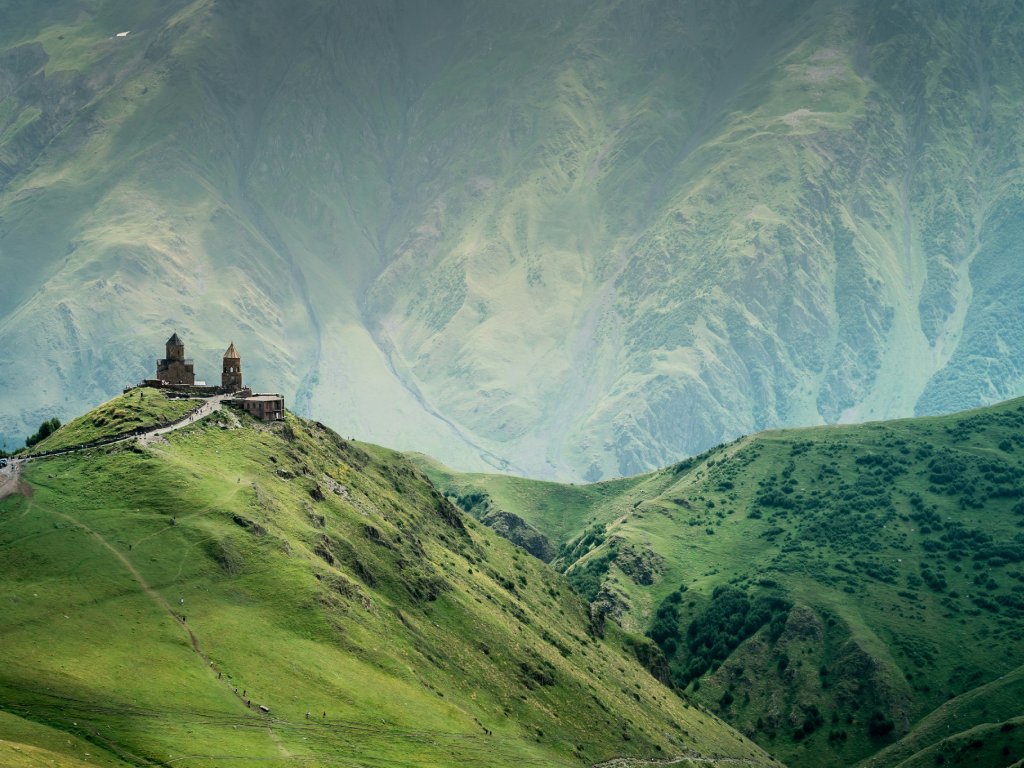
Cycling in the Caucasus is demanding, but every hard-earned climb is richly rewarded. 📸 by Patrick Schneider
Types of Cycling Holidays in Eastern Europe
Eastern Europe offers a rare breadth of cycling experiences because its landscapes, traditions, and rural life have developed slowly and unevenly. For cyclists, this means that changing regions often feels like changing cultural borders, sometimes within a single day’s ride. Whether you are drawn to culture, food, gravel backroads, or big mountain climbs, the region supports a style of cycling that is increasingly hard to find elsewhere in Europe.
Cultural and slow-travel cycling holidays favor secondary roads, moderate distances, and flexible days. In places like Transylvania, Bucovina, rural Bulgaria, or the Caucasus, cycling becomes a way to move through living traditions. Meals are typically homemade, accommodation family-run, and daily routes shaped as much by village life as by elevation profiles.
High mountain cycling tours in Eastern Europe attract riders looking for sustained climbs and a sense of scale. The Carpathians, the Caucasus, and the Rhodope Mountains offer long ascents through forested valleys and sparsely populated regions, where remoteness is felt as much socially as geographically.
Coastal cycling in Eastern Europe offers very different experiences. The Baltic Coast stands out for its limestone cliffs, pine forests, islands, and historic port towns, paired with excellent cycling infrastructure and long summer evenings by the water. Along the Black Sea, routes feel slower and more local, passing through small fishing towns, and a mix of gentle landscapes and faded seaside resorts, particularly in Bulgaria and Romania. The Caspian Sea is the most remote and unconventional option, defined by vast, flat distances, sparse settlements, and a strong sense of scale and solitude, appealing to riders who value exploration and self-sufficiency over classic coastal cycling.
Gravel cycling feels especially natural here. Forest roads, farm tracks, and unpaved connectors link villages and pastures across Romania and the Baltics, creating routes designed for function rather than tourism. The riding can be demanding, but the reward is uninterrupted flow and genuine exploration.
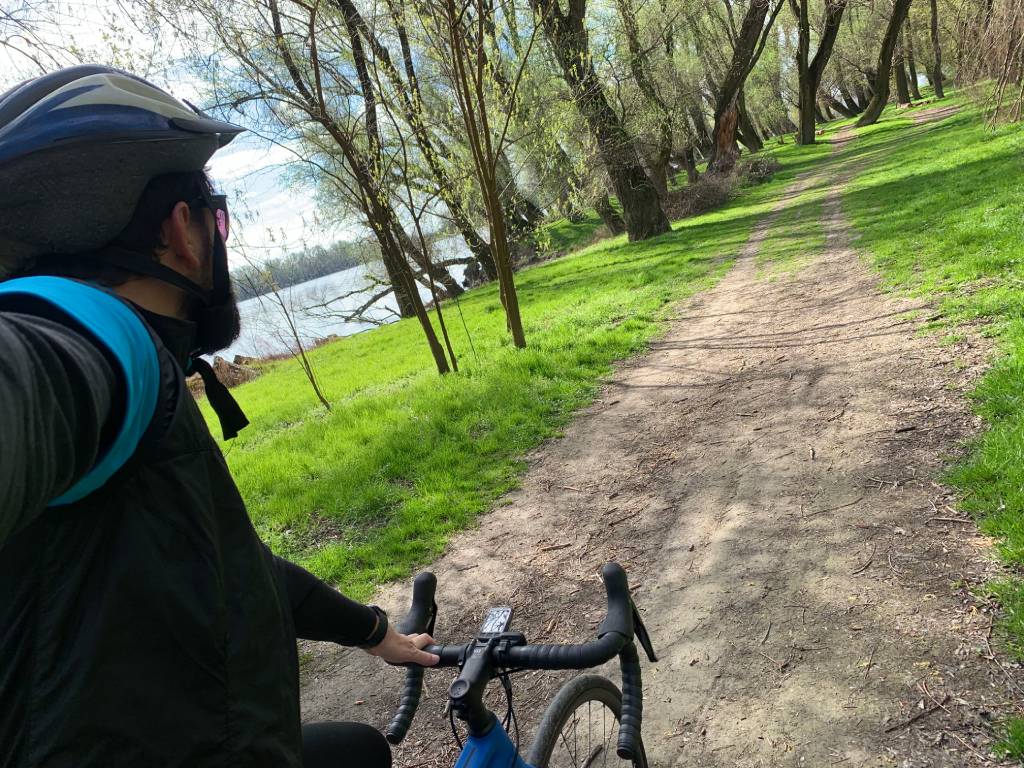
A huge density of forest and farm roads in Eastern Europe makes it a fantastic gravel destination.
Food-focused bike tours deserve special mention. In much of Eastern Europe, meals shape the day rather than fill a gap between rides. Cycling through Armenia, Georgia, Bulgaria, or Transylvania reveals how cuisine shifts with geography and season, from soups and stews to breads, pastries, and preserved foods shared slowly and socially.
Wine and bike cycling holidays are another natural fit. Georgia’s Kakheti region, Moldova’s vineyard hills, and Bulgaria’s Trakiya combine gentle terrain with cellar visits and long evenings built around food and conversation. These routes suit cyclists who value shorter distances and richer off-bike experiences.
Eastern Europe lends itself particularly well to multi-day, experience-driven cycling rather than single-day loops. Moving between regions often brings changes in language, architecture, and cuisine, reinforcing the feeling of real travel rather than structured exercise.
While independent travel is certainly possible, logistics often benefit from local insight. Guided cycling holidays can help unlock quieter routes, seasonal nuances, and trusted places to eat and sleep. In many parts of the region, guidance isn’t about convenience, but about access to experiences that remain invisible to most visitors.
What Makes Cycling in Eastern Europe Different?
Cycling in Eastern Europe feels different from riding in Western Europe or Central Europe not because it is harder, but because it is less mediated. Routes pass through working farmland, forests, and villages where daily life sets the rhythm of the road. It’s common to move from gravel to smooth tarmac, from alpine terrain to wine country, within a single trip.
Infrastructure may be lighter, but it’s balanced by low traffic, welcoming locals, and deeply rooted food traditions. Long lunches, home-cooked dinners, and family-run guesthouses are integral to the experience.
For cyclists willing to look beyond the obvious, Eastern Europe offers some of the continent’s most rewarding cycling holidays, journeys shaped as much by people, food, and place as by distance and elevation.