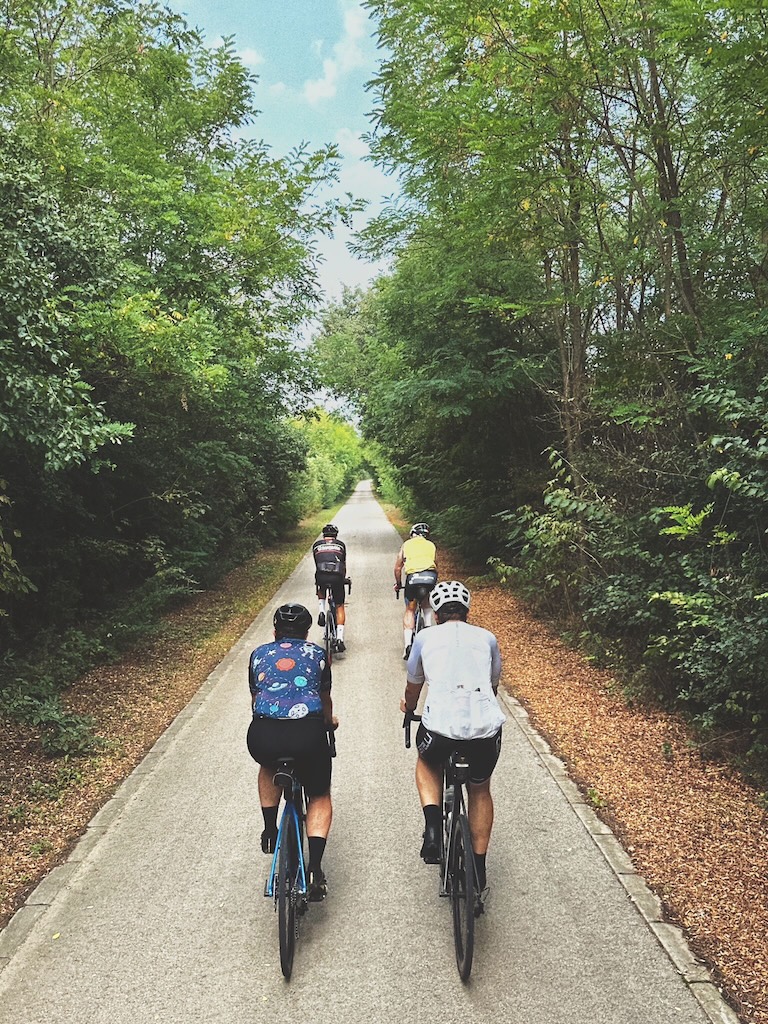
 by Peter Illés on January 3rd, 2026
Central Europe sits at the intersection of some of Europe’s most rideable landscapes. Mountains, rivers, and historic regions overlap in ways that allow cycling routes to evolve day by day without ever feeling disjointed.
From well-maintained cycle routes to quiet rural backroads, the region rewards cyclists who enjoy variety within a reliable framework. Combining this with a long-established cycling culture makes Central Europe particularly well suited to thoughtfully paced cycling holidays.
This guide looks at the key cycling destinations in Central Europe, the styles of bike tours they suit best, and how to choose the right region for your next trip.
Cycling Destinations in Central Europe
🇩🇪 Germany
Cycling in Germany is shaped by its rivers. The Danube, Rhine, Moselle, Elbe, and Main don’t just define geography, they create natural, linear cycling corridors that work effortlessly for multi-day travel. Routes follow the water linking historic towns and vineyards with almost no need for navigation or traffic avoidance.
What sets Germany apart is consistency. Surfaces are predictable, signage is excellent, and daily distances can be adjusted easily depending on how much riding or sightseeing you want. This makes Germany especially appealing for riders new to long-form touring, or for those who value smooth logistics over technical challenge.
Away from the rivers, rolling countryside and forested regions like Bavaria or the Black Forest add variety, but Germany’s real strength lies in how effortlessly cycling integrates into everyday travel.
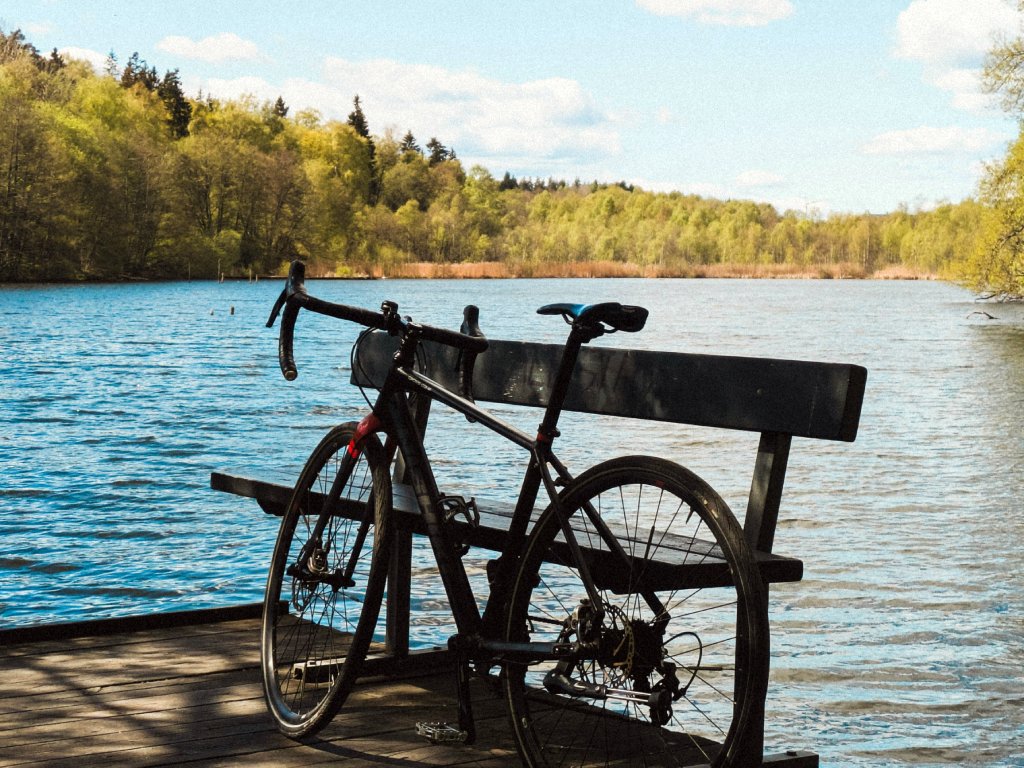
Cycling in Central Europe often means riding along major waterways. 📸 by @sarpit
🇨🇭 Switzerland
Cycling in Switzerland feels exactly how you expect it: engineered to perfection. Mountain passes are long, steady, and immaculately maintained. Climbs like the Furka, or Grimselpass are demanding, but allow riders to focus entirely on rhythm, scenery, and effort.
Infrastructure here supports serious riding. Roads are safe, signage is clear, and services are rarely far away, even at altitude. This makes Switzerland ideal for riders who want big mountain days without logistical uncertainty.
The experience is premium by default. Accommodation, food, and transport reflect the country’s standards, and cycling here feels less like improvisation and more like execution.
🇦🇹 Austria
My personal favorite destination, Austria offers alpine cycling without constant extremes. Long valley routes, vineyard-covered hills, and moderate mountain passes make it possible to design itineraries that feel scenic and satisfying without being relentlessly hard. It’s a country where elevation is present, but rarely overwhelming.
Regions like the Salzkammergut, and Mostviertel balance riding with culture, food, and landscape. Days often start gently, build gradually, and finish in towns built for lingering rather than recovery.
Austria suits riders who want a taste of alpine terrain paired with comfort and predictability, making it a strong choice for mixed-ability groups or first-time mountain tours.
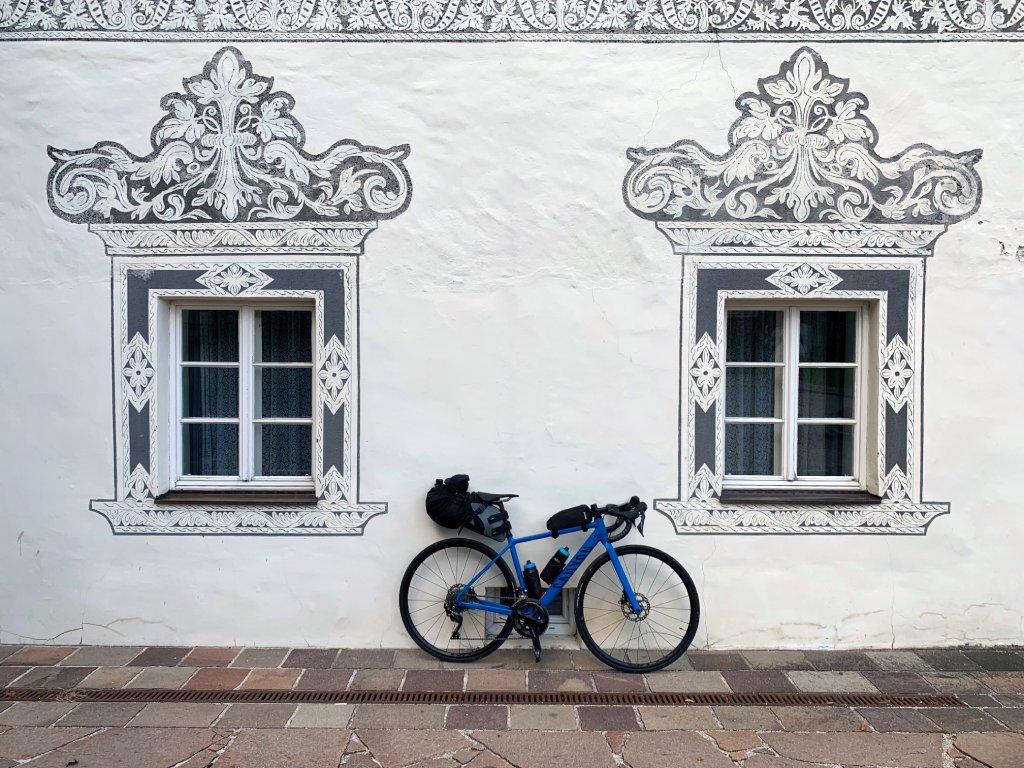
Austria offers a fantastic blend of culture, architecture, high-mountain passes and valley riding to cyclists.
🇵🇱 Poland
Poland is about long stretches of forest, agricultural plains, and lightly trafficked rural roads making it ideal for riders who enjoy covering distance rather than chasing landmarks. Cycling days here tend to be long and steady, with fewer interruptions.
Regions like Masuria or the eastern borderlands reward patience and endurance, especially for gravel and mixed-surface riders. Infrastructure is improving, but tourism remains light outside major hubs.
Poland works best for cyclists who value continuity and solitude, where the satisfaction comes from sustained movement through big landscapes.
🇨🇿 Czechia
Cycling in Czechia unfolds quietly. Routes pass through medieval towns, forests, and agricultural landscapes where tourism feels secondary to daily life. Quiet secondary roads and forest tracks ensure variety is constant, making it easy to combine riding with frequent cultural stops. The terrain is mostly rolling, with enough elevation to stay interesting without dominating the day.
This is a destination for riders who enjoy atmosphere over ambition, where progress is measured in experiences rather than kilometres.
🇸🇰 Slovakia
Slovakia delivers intensity in a compact package. Mountains rise quickly, towns are close together, and routes often shift from farmland to wilderness within a single stage. National parks in the High Tatras and Low Tatras bring real elevation and dramatic scenery into short itineraries.
Cycling here feels immediate. Climbs begin without much warning, descents are fast, and the sense of leaving civilisation behind happens quickly. Traffic drops off as soon as you leave main roads.
Slovakia suits riders who want serious terrain and a raw feel without long transfers or complex logistics.
🇭🇺 Hungary
Hungary’s cycling culture is shaped by food, wine, and rhythm rather than elevation. Many of the country’s best routes pass directly through wine regions like Tokaj, Villány, and around Lake Balaton, where riding days are naturally structured around meals, tastings, and long afternoons.
Terrain is mostly flat to gently rolling, allowing for consistent daily distances and relaxed pacing. Cycling feels social and unhurried, with plenty of opportunities to stop, eat, and soak in thermal baths.
Hungary is ideal for riders who see cycling as a way to move between tables rather than peaks.
Check out our guide to cycling in Hungary for more info on traveling to Hungary on a bike.

On Hungarian cycling holidays, you’re never far away from a wine cellar.
🇸🇮 Slovenia
Another favorite of mine, Slovenia packs remarkable diversity into a small area. Alpine passes, wine country, karst landscapes, and Mediterranean-influenced valleys can all appear within the same itinerary. Routes change character quickly, keeping each riding day distinct.
Climbing is frequent but manageable, and road quality is generally good. Your efforts are highly rewarded, with dramatic scenery arriving faster than expected.
Slovenia suits riders who want maximum variety in minimal time, making it ideal for shorter, high-impact cycling holidays.
🇷🇴 Romania
Romania feels like the edge of something. Endless, dense forests, remote villages, and long mountain roads stretch across landscapes where wildlife is common and infrastructure thins quickly once you leave main routes. Cycling here is defined by scale and silence rather than polish.
It’s also where Central Europe begins to blend into the Balkans. Medieval towns, Orthodox monasteries, and pastoral mountain life coexist within the same itinerary, creating constant cultural shifts along the road.
Romania suits experienced riders seeking depth, wilderness, and a sense of transition, where the journey feels as significant as the destination.
If you want to dive deeper into cycling in Romania, check out our guide to cycling in Romania.
Types of Cycling Holidays in Central Europe
Central Europe excels at cycling holidays where landscape and culture align naturally. Unlike regions defined by remoteness or rawness, riding here is shaped by connectivity: river valleys, historic trade routes, alpine passes, and wine-growing regions that have supported travel for centuries. This makes the region especially well suited to multi-day tours.
River-based cycling holidays are one of Central Europe’s defining strengths. Routes along the Danube, Rhine, Moselle, Elbe, and Inn offer continuous, low-stress riding that links major cultural centers with small towns and vineyards. These tours prioritise flow over challenge, with flat or gently rolling terrain, excellent signage, and frequent access to food, accommodation, and transport. Germany and Austria are standouts here, ideal for riders who want reliable logistics and the freedom to focus on daily rhythm rather than route-finding.
Alpine cycling tours suit riders who want sustained climbing without the unpredictability of wilder mountain regions. Switzerland, Austria and Slovenia deliver long, steady ascents on well-maintained roads. These tours are about pacing, altitude, and scenery, often combining big mountain days with valley riding that allows for recovery and cultural stops. They work best for cyclists who enjoy measured challenges.
Gravel and backroad cycling in Central Europe favors accessibility over extremity. Forest roads, agricultural tracks, and low-traffic connectors are easy to integrate into mixed-surface routes, particularly in Poland, Czechia, and Romania. Gravel here is less about technical difficulty and more about escaping traffic and adding texture to otherwise smooth itineraries. These tours suit riders who want variety without committing to full bikepacking conditions.
High-variety, slow-travel cycling holidays are where Central Europe quietly excels. Countries like Germany, Austria, Czechia, and Romania allow riders to experience alpine terrain, rolling countryside, historic towns, and wine regions within short daily distances. Routes change character quickly, keeping each stage distinct without requiring long transfers. These tours suit riders with limited time who still want a sense of journey and contrast packed into a single itinerary.
Food-focused cycling holidays in Central Europe are built around regional kitchens. These tours prioritise market towns, traditional inns, bakeries, and rural guesthouses where food reflects place and season. Daily distances are moderate, terrain is forgiving, and routes are designed to arrive hungry rather than exhausted. Regions like southern Germany, Slovakia, Hungary, and Romania reward riders with cuisines shaped by alpine farming, preserved foods, and slow cooking, making cycling a natural way to move between meals rather than a test of endurance.
Wine-focused cycling holidays take advantage of Central Europe’s dense network of historic wine regions, where vineyards often sit on rolling terrain ideal for relaxed riding. In Hungary, routes around Tokaj, Eger, and Lake Balaton combine gentle climbs with long cellar visits and food-led evenings. Germany’s Mosel area, Austria’s Mostviertel and the Maribor region in Slovenia offer similar rhythms, with short stages linking villages, tasting rooms, and family-run wineries. These tours suit riders who value pacing, conversation, and landscape over mileage, and who see cycling as a way to experience wine culture rather than simply pass through it.

Cycling routes winding through vineyards in Central Europe, combining wine culture and relaxed riding are a fantastic choice for a cycling holiday.
Beer-focused cycling holidays are a distinctly Central European specialty. In countries like Germany, Czechia, and parts of Poland, cycling routes naturally connect historic breweries, beer halls, and monastery towns. Riding days are often flat to rolling, following rivers or regional backroads, with frequent opportunities to stop without disrupting the flow of the itinerary. These tours are social by nature, shaped around tradition, local brewing styles, and communal spaces rather than technical riding, making them ideal for cyclists who enjoy structure, consistency, and strong regional identity.
What ties all these styles together is balance. Central Europe supports cycling holidays that are immersive without being exhausting, challenging, and culturally rich. It’s a region where planning enhances the experience rather than constraining it, making it ideal for riders who want their journeys to feel intentional, coherent, and deeply rooted in place.
Final thoughts
Central Europe works exceptionally well for multi-day cycling because variety comes without logistical friction. Alpine climbs, river routes, historic towns, and rural backroads connect naturally, allowing riders to experience meaningful rides without long transfers or complicated planning. Infrastructure is generally reliable and the riding often balances challenge with comfort.
For cyclists who value well-shaped routes, cultural depth, and landscapes that reward steady progress rather than constant intensity, Central Europe offers some of the most complete cycling routes in Europe.