 by Peter Illés on January 9th, 2026
Central Europe doesn’t suffer from a lack of famous cycling climbs. Furka, Grimsel, or the Grossglockner dominate headlines, guidebooks, and bucket lists. But that fame comes at a cost: traffic, congestion, and an experience that can feel more like taking part in an event than a journey.
Look just a little deeper, and Central Europe reveals a different side. Quiet alpine roads, steep local favorites, glacier access roads, forested ramps above small towns, and climbs that locals use as their after-work training ride.
What follows is a curated selection of lesser-known cycling climbs across Central Europe. These ascents may not decide World Tour stages, but they’re just as rewarding.
🇩🇪 Germany
Germany’s alpine riding often gets overshadowed by Switzerland and Austria, with the Rossfeld Panorama Road or the Nebelhorn usually stealing the spotlight. But tucked into Bavaria are climbs that prioritise beauty, contrast, and atmosphere over raw difficulty.
Grosser Ahornboden
This climb starts in Germany and ends on a dead-end road in Austria, where the only option is to turn around and head back the way you came. So technically, I guess that makes it a German climb.
Rising gently into one of the most beautiful alpine valleys in the Karwendel range, the way to Grosser Ahornboden is defined by rows of ancient maple trees lining the road. Make sure you time your climb in autumn, when the trees start changing colors.
Length 24.7 km, Avg. gradient 1.8%, Total ascent 435 m
Wallberg Panoramastraße
A private road open for cyclists, the Wallberg Panorama Road is a short, steep, and unapologetically punchy climb. It rises brutally from the Tegernsee, wasting no time on warm-up ramps. The gradient rarely lets up, and the narrow road keeps things intimate. The reward at the top is a panoramic view of the lake and town below.
Length 3.2 km, Avg. gradient 10.3%, Total ascent 328 m
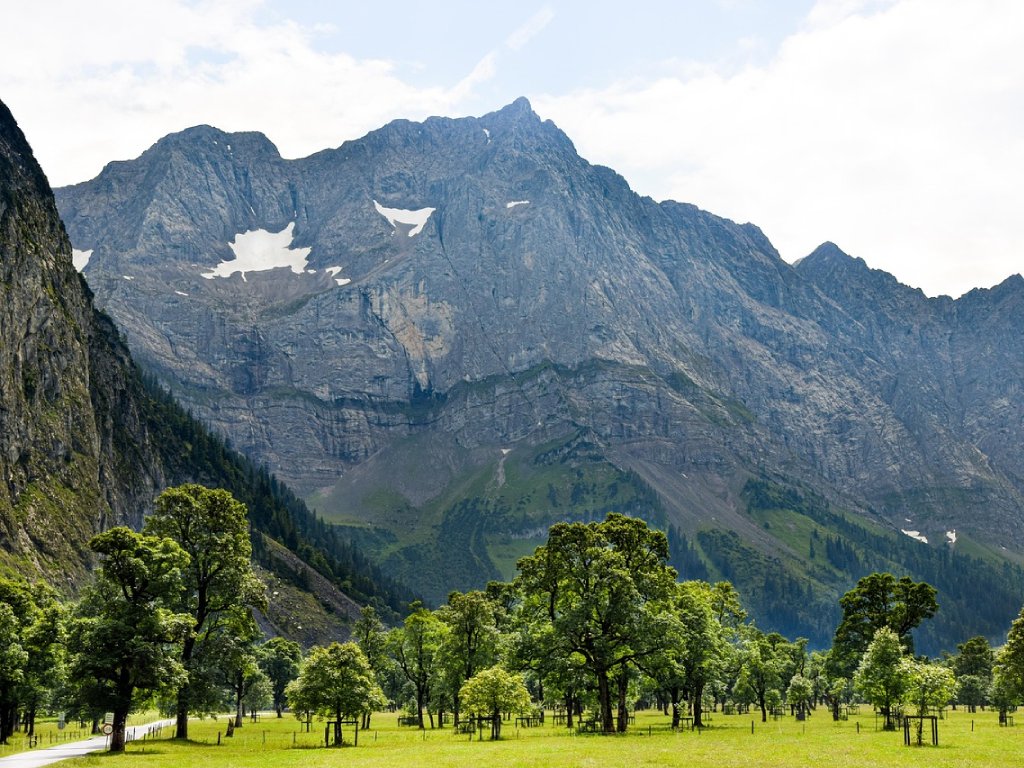
The Grosser Ahornboden is famous for its views framed by maple trees. 📸 by ausdiemaus
🇨🇭 Switzerland
Switzerland’s cycling reputation is built on giants like the Furka, Grimsel, and Nufenen. But beyond those classics lies a network of climbs that are just as demanding, often quieter and sometimes even steeper.
Männlichen
The Männlichen climb is a test of sustained steepness. Rising from the Lauterbrunnen valley toward the ski area above Wengen, this ascent wastes no energy on easing riders in. The gradient remains consistently hard, while views of the Eiger, Mönch, and Jungfrau loom ever closer. It’s a climb that feels alpine from the first pedal stroke.
Length 13.9 km, Avg. gradient 9.1%, Total ascent 1268 m
Col du Sanetsch
Remote, dramatic, and uncompromising. The Col du Sanetsch climbs out of the Valais on a road carved into the mountainside. Long tunnels, sheer drop-offs, and big gradients define the ascent. Traffic is light, the scenery immense, and there’s a sense of isolation throughout.
Length 25.7 km, Avg. gradient 7.1%, Total ascent 1818 m
Lago del Narèt
This is high-mountain riding with a raw edge. The climb to Lago del Narèt combines long distance, consistent climbing, and an increasingly austere landscape as you approach the dam. Snowbanks often linger well into summer, and weather can shift quickly. It’s a climb that feels closer to expedition riding than classic alpine tourism.
Length 31.5 km, Avg. gradient 5.9%, Total ascent 1855 m
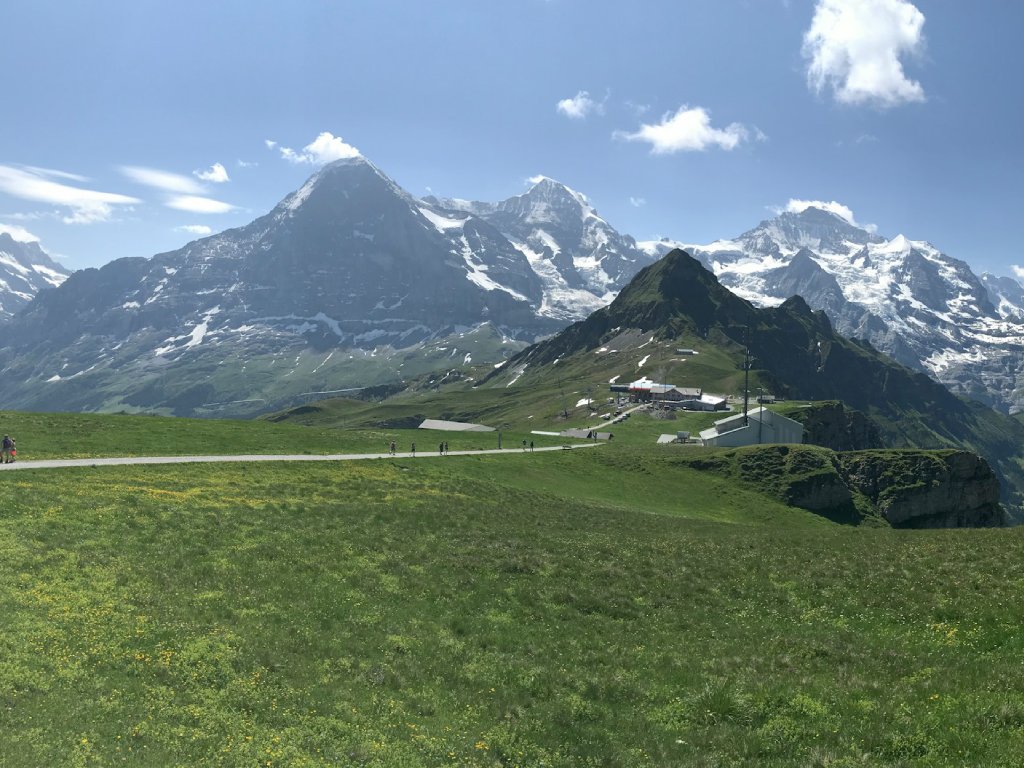
Männlichen offers fantastic views of the Eiger, Mönch and Jungfrau peaks as you climb. 📸 by Henry Becker
🇦🇹 Austria
Climbing in Austria is synonymous with the Grossglockner and the Kitzbüheler Horn, but some of its most characterful climbs sit slightly off the main radar.
Hochkar
Hochkar delivers maximum impact in minimal distance. The climb is relentlessly steep, twisting upward through forest before opening onto high alpine terrain near the ski station. For riders looking to push higher, an extension beyond the main road climbs brutally toward the ski lift infrastructure, adding another 200 metres of elevation at savage gradients.
Length 8.4 km, Avg. gradient 9.4%, Total ascent 785 m
Optional extension: +200 m climbing
Kaunertaler Gletscherstraße
Locally famous and deservedly so, the Kaunertal Glacier Road is one of Austria’s great endurance climbs. The ascent stretches endlessly into high alpine terrain, with wide views and thinning air. It’s not brutally steep, but the accumulation of climbing makes it a defining effort.
Length 38.6 km, Avg. gradient 4.9%, Total ascent 1898 m
Großer Speikkogel
Less polished and more visceral, the climb to Großer Speikkogel is steep, narrow, and demanding. The gradients are consistently high, the road feels remote, and the climb rewards riders who enjoy sustained suffering paired with alpine silence.
Length 11.2 km, Avg. gradient 10.5%, Total ascent 1175 m
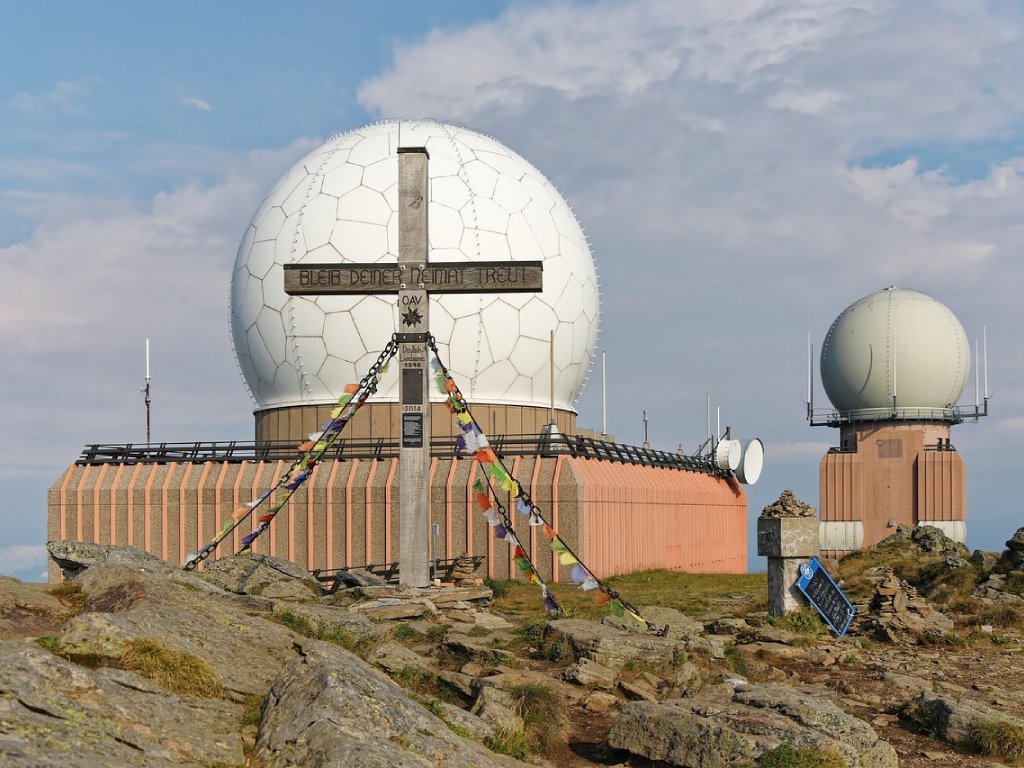
The Grosser Speikkogel summit awaits you with its distinctly-shaped radar station. 📸 by Mike_68
🇸🇮 Slovenia
Slovenia’s famous ascents like Mangart and Vršič attract plenty of attention, but the country’s soul lies in its smaller, quieter climbs that are short, sharp, and deeply tied to local landscapes.
Jamnik
Climbing toward the iconic hilltop church of Jamnik feels cinematic. The ascent is steady rather than brutal, winding through pastoral countryside before delivering one of Slovenia’s most recognizable views. Storytelling on a bike!
Length 6.4 km, Avg. gradient 6.2%, Total ascent 401 m
Mariborsko Pohorje
A long, steady climb into forested terrain above Maribor. The gradients are manageable, making it ideal for rhythm riding, while the changing scenery keeps the effort engaging. It’s a classic “local training climb” that is worth renting a bike for, if you’re in the area.
Length 15.1 km, Avg. gradient 5.3%, Total ascent 799 m
Kum
A hard, steep climb, Kum rises sharply from the surrounding valleys, delivering sustained double-digit gradients and wide views from the summit. It’s a punchy climb that feels far harder than its length suggests.
Length 9.5 km, Avg. gradient 10.4%, Total ascent 986 m
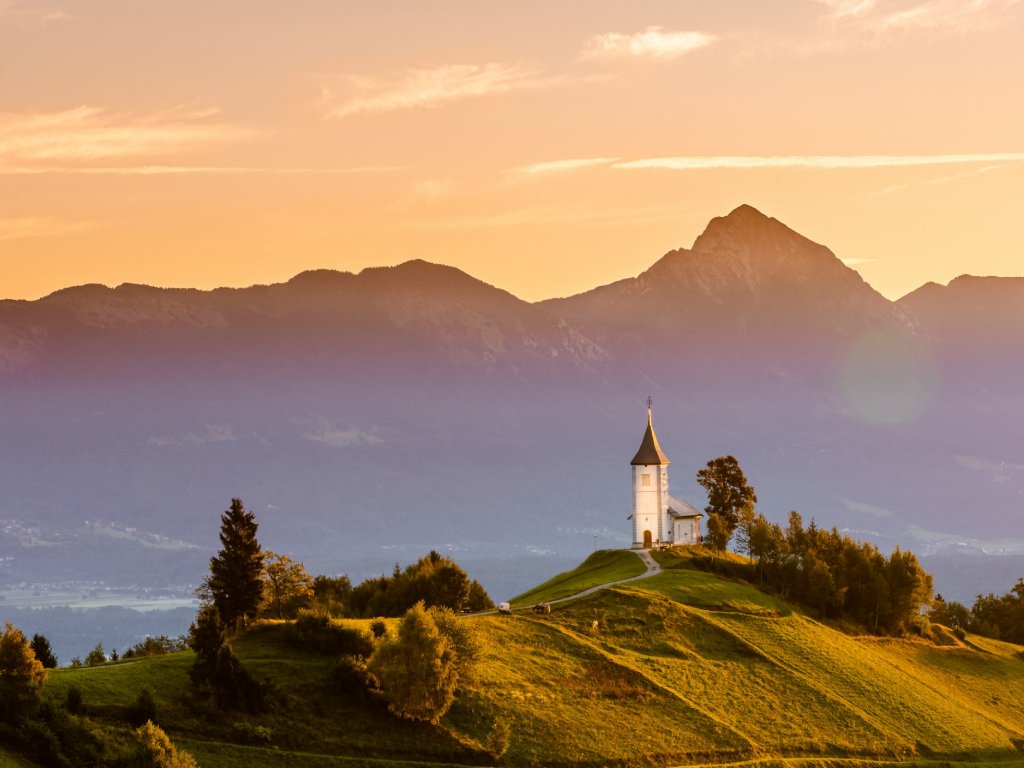
Jamnik climb ends at the iconic hilltop church, with the Kamnik-Savinja Alps offering a dramatic backdrop. 📸 by Tim Kankelj
🇭🇺 Hungary
Hungary may be better known for flat riding and rolling terrain, but the Mátra and Bükk mountains offer a surprisingly cohesive climbing experience.
Kékestető & Galyatető Loop
Gyöngyös → Mátraháza → Kékestető → Galyatető → Gyöngyösoroszi → Gyöngyös
Not a single climb, per se, this route links the country’s two highest paved points into a smooth, flowing loop that rewards cyclists who like to pace themselves on longer climbs.
Length 60.6 km, Avg. gradient 2%, Total ascent 1240 m
🇷🇴 Romania
Romania’s legendary roads often steal the show, but beyond the Transfăgărășan and Transalpina lies a network of climbs that reward riders willing to trade fame for variety.
Transbucegi / Drumul Babelor
Climbing steadily onto the Bucegi Plateau, the Transbucegi offers wide-open views and an alpine atmosphere without extreme gradients. The optional extension toward Drumul Babelor adds altitude and drama, pushing deeper into the high plateau landscape.
Transbucegi: Length 32.8 km, Avg. gradient 3.8%, Total ascent 1270 m
With Drumul Babelor: Length 48.6 km, Avg. gradient 3.3%, Total ascent 1600 m
Transvâlcan
A climb that rewards riders who enjoy rough, hard ascents. The paved ascent is brutally steep and quiet, while the continuation beyond the summit turns into gravel, opening a wilder, more adventurous descent.
Asphalt climb: Length 10.8 km, Avg. gradient 9.2%, Total ascent 1000 m
Transapuseana
Endurance over intensity. The Transapuseana rolls steadily through remote villages, forests, and open meadows, accumulating elevation without ever feeling particularly hard. It’s a climb for riders who appreciate long days and quiet roads.
Length 74.9 km, Avg. gradient 2%, Total ascent 1490 m
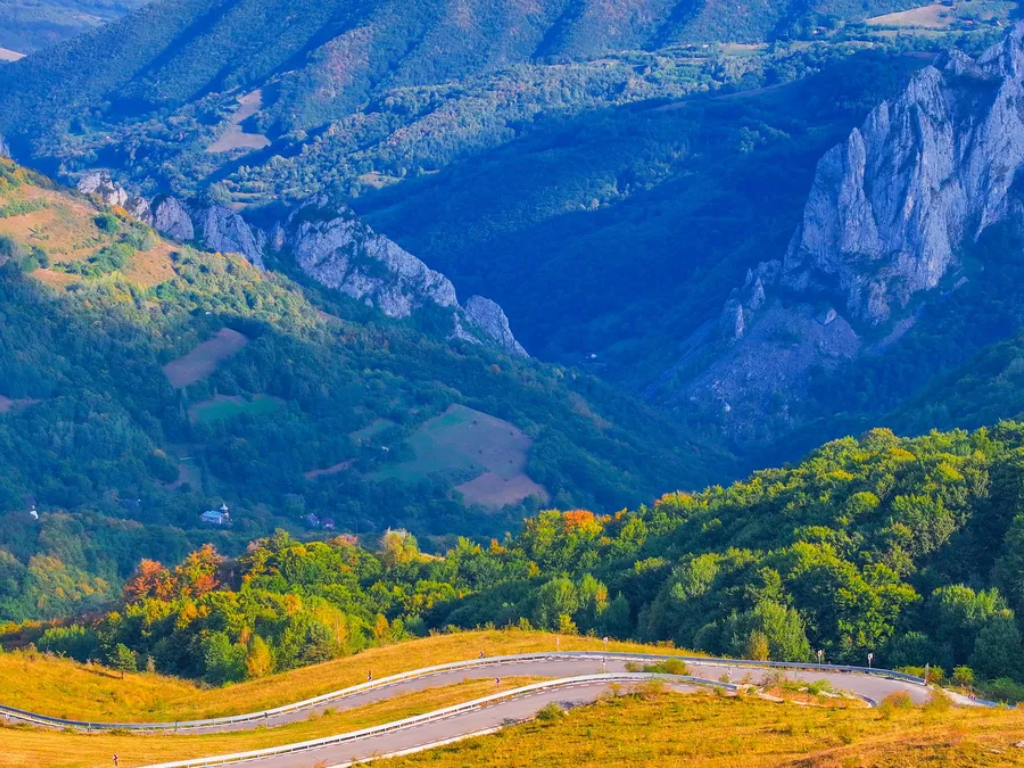
The Transapuseana takes you through bucolic hills and the long-forgotten villages of the Apuseni Mountains.
🇸🇰 Slovakia
Slovakia’s mountain riding blends alpine scenery with a distinctly local feel, especially in the Tatras and Fatra ranges.
Sliezsky Dom
A popular climb regionally, but still remarkably beautiful. The ascent leads deep into the High Tatras, with dramatic scenery and a sense of climbing into a mountain sanctuary rather than a pass.
Length 7 km, Avg. gradient 9.6%, Total ascent 670 m
Martinské hole
Steady and rhythmic. This forest climb is a local favorite for good reason, offering consistent gradients and a rewarding sense of progression.
Length 12 km, Avg. gradient 7.1%, Total ascent 851 m
Kráľova hoľa
A demanding ascent with a rougher surface, especially on the descent. Expect open, expansive views of the Lower Tatras from the top.
Length 13.6 km, Avg. gradient 8.5%, Total ascent 1152 m
🇨🇿 Czechia
Czech mountain riding is often underestimated, but the country’s climbs often offer unexpectedly steep gradients and big views.
Praděd (from Hvězda)
A classic local ascent with a fittingly dramatic finish. The road climbs steadily toward the Praděd transmitter tower, where panoramic views stretch across the Jeseníky Mountains.
Length 9.1 km, Avg. gradient 6.9%, Total ascent 632 m
Dlouhé Stráně
Climbing toward one of Europe’s most impressive pumped-storage reservoirs, Dlouhé Stráně (Long Slopes in English) is a sustained climb that gradually opens up towards the top.
Length 11.3 km, Avg. gradient 7.1%, Total ascent 809 m
Modré Sedlo
Steep and intense. This climb delivers double-digit gradients and demands commitment, making it a favorite among riders who enjoy short, maximal efforts.
Length 6.5 km, Avg. gradient 11.3%, Total ascent 736 m
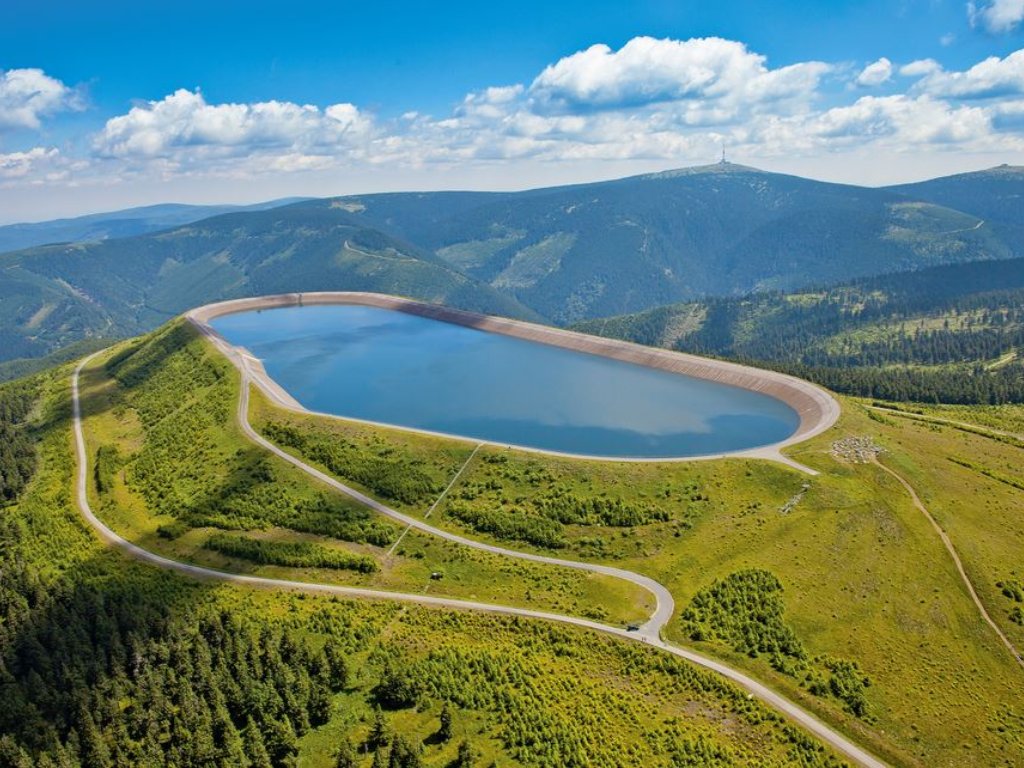
The Dlouhé Stráně reservoir is ranked as one of the 7 wonders of Czechia. 📸 by denod.cz
🇵🇱 Poland
Poland’s southern mountains offer compact, challenging climbs that feel surprisingly alpine in character.
Karkonosze Pass
Often considered the quintessential Polish pass, this climb delivers steady gradients through the Giant Mountains, ideal for those who like to get into rhythm and pedal through.
Length 10.5 km, Avg. gradient 8%, Total ascent 841 m
Przehyba
A beautifully paced ascent with rewarding views toward the High Tatras and Pieniny. The newly built viewing terrace near the top adds a natural pause before the descent.
Length 12.7 km, Avg. gradient 6.4%, Total ascent 820 m
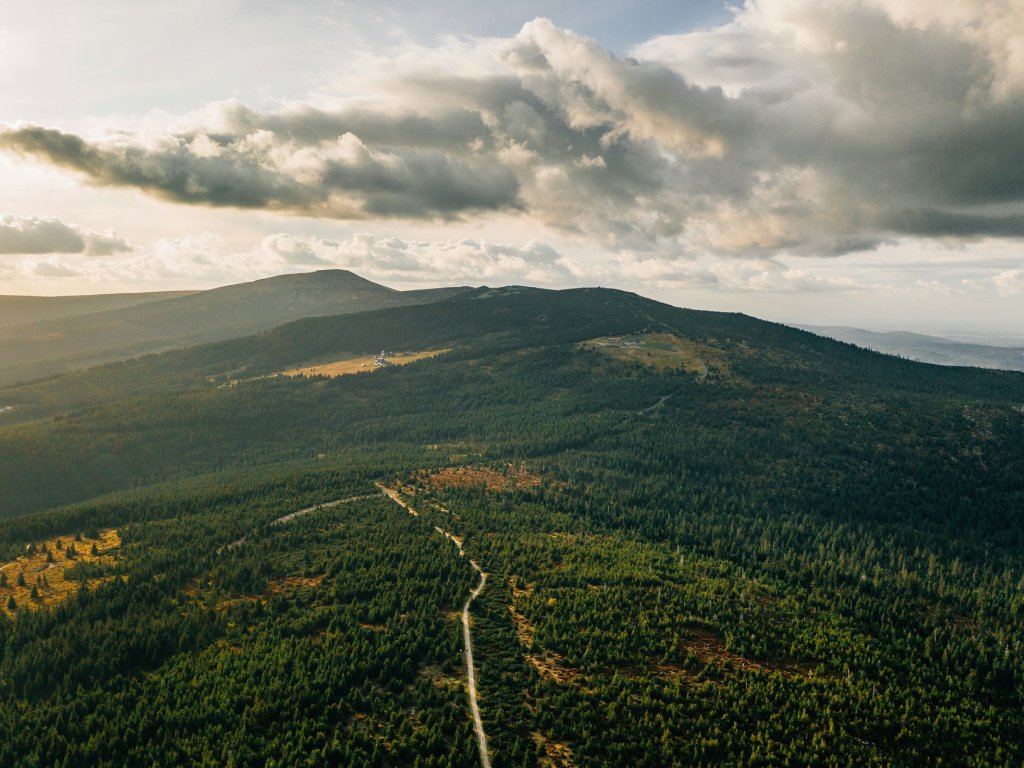
Karkonosze Pass road climbs through endless pine forests. 📸 by Marcin Jozwiak
Final Thoughts
Riding these lesser-known climbs always reminds me that great cycling isn’t defined by fame or finisher badges. These roads reward riders who value context and quietness. They may not headline grand tours, but they shape journeys. And for many riders, that’s exactly the point.