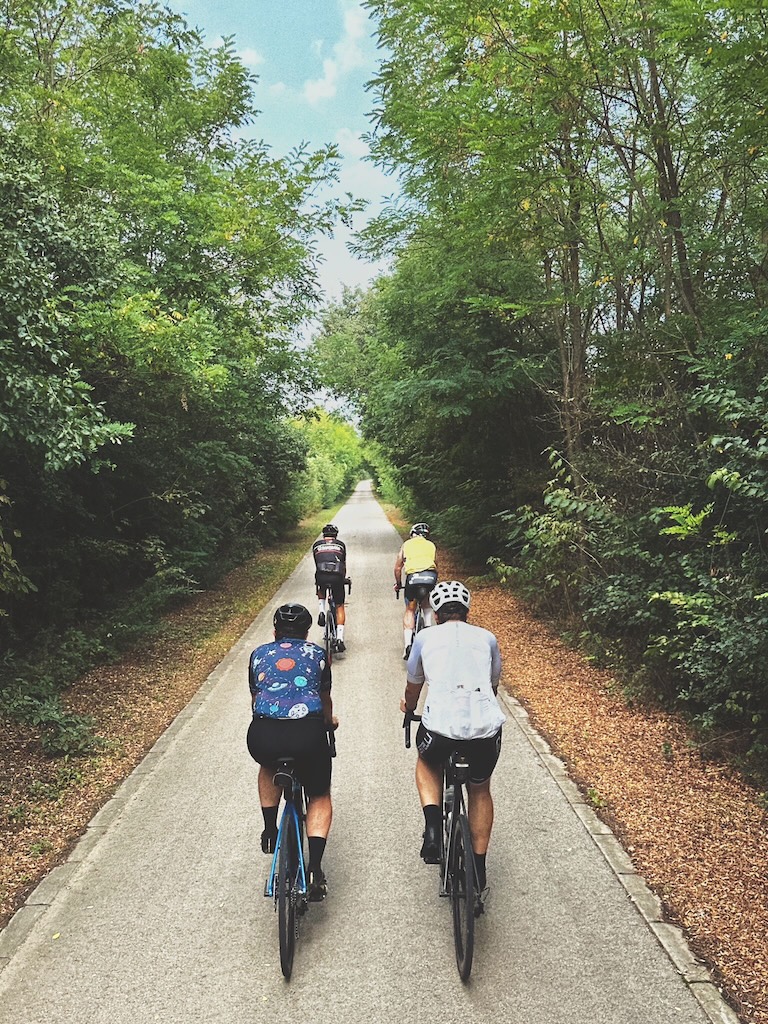
 by Peter Illés on December 31st, 2025
Italy, France, and Belgium often gets the spotlight, but the Balkans remain one of the most compelling regions in Europe for multi-day cycling holidays. Away from the main routes, the Balkans offer long stretches of empty roads, real elevation, and days where the ride ends in a village kitchen rather than a tourist center.
From Adriatic coastlines to high mountain passes, cycling in the Balkans is defined by contrast. Long climbs are followed by fast descents, languages and cuisines shift with each valley, and daily riding is shaped as much by geography as by history. It’s a region best experienced slowly, one kilometre at a time.
This guide looks at the key cycling destinations in the Balkans and the styles of bike tours they suit best.
Cycling Destinations in the Balkans
The Balkans are anything but uniform. Terrain changes quickly, infrastructure varies widely, and riding styles can shift from coastal cruising to sustained mountain climbing within a single itinerary. What unites the region is how often cyclists are noticed, waved at, or invited to take part in a family meal, and how rarely routes feel designed with visitors in mind.
🇷🇴 Romania
Romania is the northern gateway to the Balkans. Cycling here feels less like crossing a single country and more like moving through overlapping cultural layers. In just a few days of riding, you pass Saxon fortified villages, Hungarian-speaking regions, Orthodox monasteries, and open pastoral countryside. These transitions aren’t abstract. They’re visible in the architecture, the food on the table, and even in how people greet you at the gate.
What makes Romania especially strong for multi-day cycling is how naturally this diversity is linked by quiet roads and rideable gravel. You don’t need to chase landmarks; they appear as part of the daily rhythm.
If you want to dive deeper into cycling in Romania, check out our guide to cycling in Romania.
🇧🇬 Bulgaria
Bulgaria’s mountains are not just physical barriers; they’re corridors of history. Long climbs in the Stara Planina or the Rhodopes often pass monasteries, revolutionary towns, traditional villages, and vineyards, turning elevation gain into a narrative rather than a numbers game.
Riding here feels purposeful. Roads were built to connect regions long before tourism, and it shows in their pacing and placement. Days often start with sustained climbing through forests and end in valleys shaped by wine, thermal springs, or historic trade routes. Bulgaria suits riders who enjoy demanding terrain paired with cultural density and evenings that feel earned.
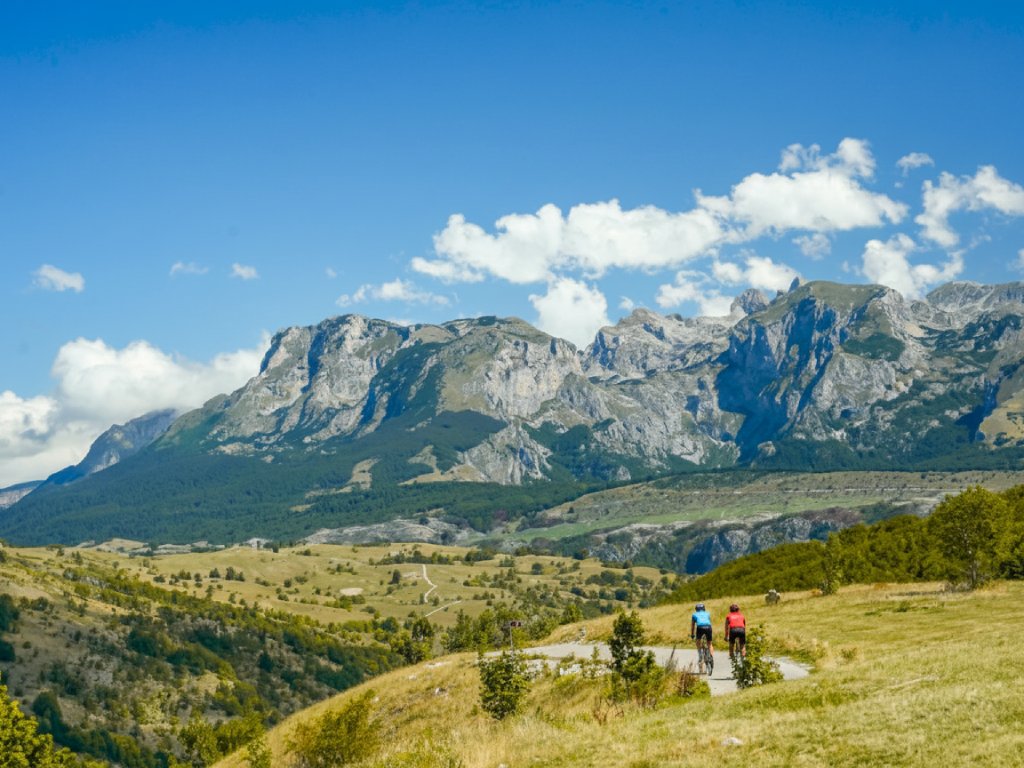
In Bulgaria, you can expect steady mountain climbs, low traffic, and deep forest riding in the Balkan Mountains
🇷🇸 Serbia
Serbia rewards cyclists who appreciate rhythm over spectacle. Much of the riding unfolds across rolling terrain, agricultural landscapes, and long forested stretches where traffic is minimal and cycling tourism is still rare. It’s easy to settle into extended days without constantly watching for cars or navigating crowds.
In the south and central regions, climbs toward areas like Kopaonik add elevation without becoming extreme, making Serbia ideal for riders who enjoy distance and flow rather than repeated steep ramps. Interactions tend to feel genuine and unfiltered: cycling remains something of a novelty in rural areas, usually met with curiosity and generosity.
🇽🇰 Kosovo
Kosovo’s cycling appeal lies in its borderlands. Many of the best rides follow old mountain roads built to connect valleys, climbing steadily toward passes that feel quietly significant without being named or signposted. Traffic is almost non-existent, not because roads are bad, but because few people have a reason to be there unless they live nearby.
Riding here often means long stretches without services, followed by a sudden invitation for coffee in small towns where cyclists are still a curiosity. Kosovo works best for compact itineraries with real elevation, where a single pass can define the day and the sense of having ridden somewhere genuinely overlooked is hard to shake.
🇲🇰 North Macedonia
North Macedonia offers one of the most naturally balanced cycling experiences in the Balkans. Routes often alternate between lakeside riding around Ohrid or Prespa and steady mountain climbs that reward pacing rather than brute force. The terrain rarely overwhelms, but it never feels flat or repetitive.
This balance makes it easy to design itineraries with variety built in: harder days followed by gentler stages, cultural stops woven into the riding rather than bolted on. It’s a strong choice for riders who want diversity without constant physical intensity.
🇦🇱 Albania
Albania’s riding is unapologetically wild. Mountain passes rise sharply, road conditions vary, and roads often feel improvised rather than engineered. But what could feel harsh is consistently softened by warmth, generosity, and food that arrives exactly when it’s needed.
Cycling here demands flexibility and curiosity. In return, riders experience empty roads, dramatic landscapes, and a sense of discovery that’s increasingly rare in Europe. Albania suits cyclists who enjoy challenge paired with human connection rather than polished infrastructure.
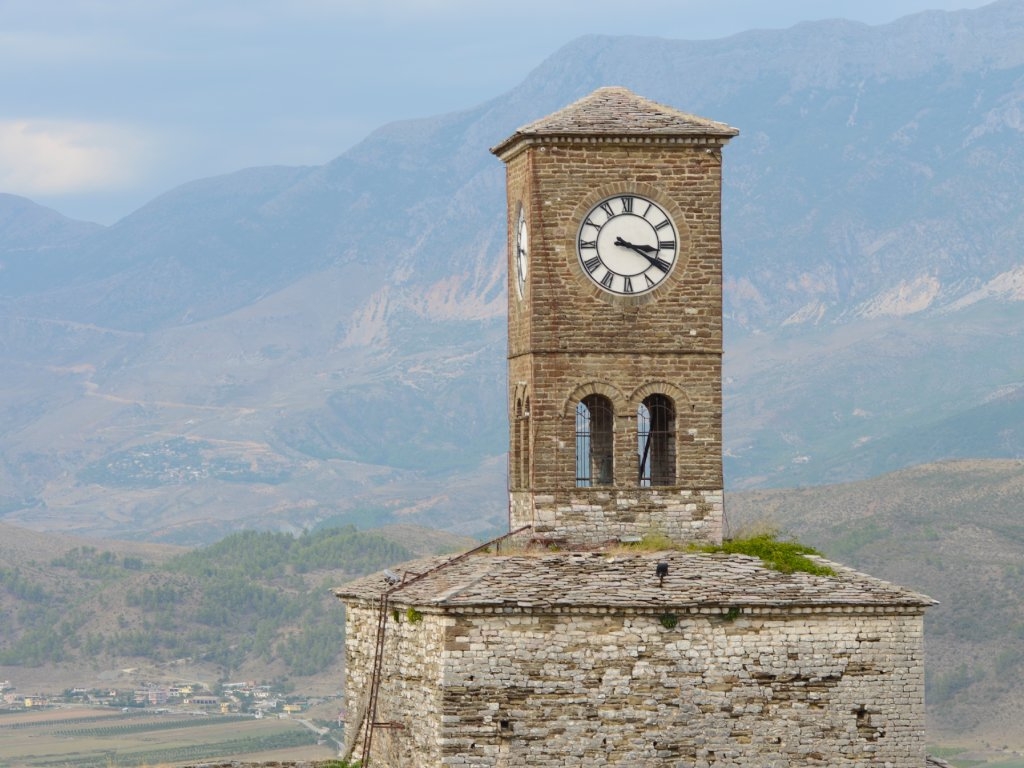
In Albania, you can expect history and wild terrain to meet, with mountain ranges framing towns like Gjirokastër.
🇲🇪 Montenegro
Much of Montenegro’s best cycling passes through national parks and protected landscapes. Durmitor, Lovćen, and Biogradska Gora aren’t just scenic backdrops. They define the routes themselves, with long, quiet roads threading through high plateaus and deep canyons.
Cycling here feels immersive and elemental. There’s little distraction, minimal traffic, and a sense that the landscape sets the terms. Montenegro rewards riders who enjoy solitude, sustained climbing, and days that feel physically and visually complete.
🇧🇦 Bosnia & Herzegovina
In Bosnia & Herzegovina, cycling feels connected to recent history. Roads pass memorials, rebuilt towns, abandoned infrastructure, and everyday life continuing alongside all of it. The riding isn’t postcard-perfect. It passes memorials, half-restored buildings, quiet river valleys, and towns where recent history still shapes daily life.
This is a destination for cyclists who appreciate context as much as terrain. You move with the landscape, passing places where history feels close and present without being staged for visitors.
🇭🇷 Croatia
Croatia excels at contrast. Coastal riding delivers sea views, historic towns, and warm evenings, while inland routes rise quickly into the Dinaric Alps with serious climbing and sudden solitude. The transition between the two can happen within a single day.
This combination makes Croatia ideal for riders who want both reward and effort: hard climbs followed by coastal finishes, technical riding balanced by excellent food and reliable logistics. It’s one of the few Balkan countries where polished infrastructure and wild terrain coexist comfortably.
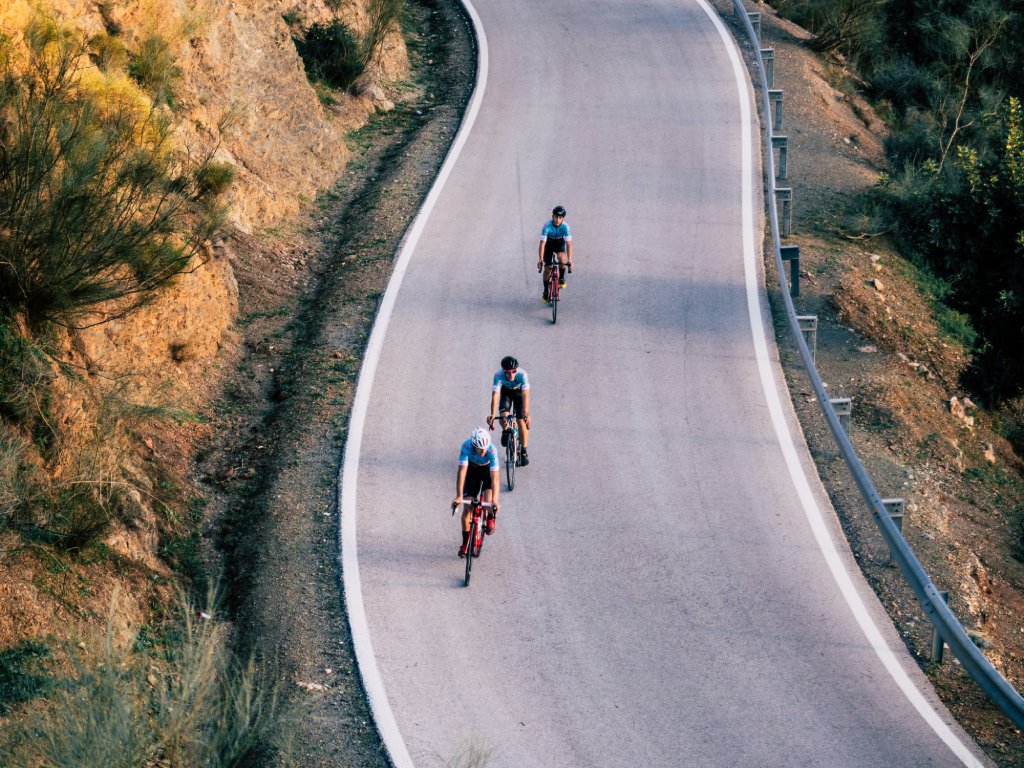
Expect quiet coastal roads, hard-earned climbs, and long descents toward the Adriatic Sea. 📸 by Pablo Guererro
Types of Cycling Holidays in the Balkans
The Balkans suit multi-day cycling particularly well because the region is anything but uniform. Routes move quickly between coastal and mountainous terrain, between cultures, cuisines, and rhythms of daily life. A single itinerary can feel like several distinct journeys stitched together by the road, which is why riding here rewards curiosity as much as fitness.
Cultural and slow-travel cycling holidays are a natural fit across much of the Balkans. Quiet secondary roads, rolling terrain, and compact distances make it easy to design days that leave room for long lunches, unplanned stops, and conversations along the way. Meals are typically homemade, accommodation is frequently family-run, and riding days are shaped as much by village life as by elevation profiles. This style suits cyclists who value atmosphere, food, and human connection over speed or mileage.
Mountain-focused cycling tours define the physical character of the Balkans. From the Balkan Mountains to the Dinaric Alps, routes are shaped by sustained climbs rather than short, explosive ramps. Elevation gain often comes steadily, with long ascents through forests and open highlands, followed by extended descents into valleys with little traffic. Countries like Bulgaria, Montenegro, and Albania excel here, offering challenging terrain paired with a sense of remoteness that feels increasingly rare in Europe. These tours suit riders who enjoy letting geography dictate the day.
Coastal cycling holidays add a contrasting rhythm to Balkan riding. Along the Adriatic, routes combine sea views with inland climbs, historic towns, and food-forward evenings. Croatia’s coast delivers dramatic cliffside riding and polished logistics, while Albania’s Riviera offers a rougher, less-developed alternative with quieter roads and a stronger sense of exploration. Coastal tours work best for riders who enjoy earning their seaside finishes with climbing rather than flat promenade riding.

The Adriatic Coast lands itself perfectly to coastal routes, with easy rolling roads, sea views, and long stretches of uninterrupted riding.
Gravel cycling has found a quiet home in the Balkans, even if it’s less publicised than in other parts of Europe. Forest roads, former military tracks, and rural connectors link valleys and mountain regions with minimal traffic. In places like rural Romania, inland Bulgaria, and parts of Bosnia & Herzegovina, gravel riding often feels like the most natural way to move through the landscape. Surfaces can be rough and conditions change quickly, but the reward is uninterrupted riding and genuine solitude.
Food-focused cycling holidays deserve their own category in the Balkans. Here, eating is not a side benefit of cycling, it is often the reason routes exist at all. These tours are designed around regional cuisines, seasonal ingredients, and local producers rather than headline climbs. Daily distances are shorter, routes pass through market towns and agricultural regions, and afternoons often revolve around shared tables rather than recovery rides. From hearty mountain stews and slow-cooked meats to village bakeries, preserved vegetables, and regional cheeses, food-led tours suit cyclists who see riding as a way to explore taste, tradition, and place at a human pace.
Wine and ride cycling tours are a natural extension of this approach, particularly in regions where vineyards shape both landscape and culture. In Bulgaria’s Trakiya region, gentle rolling terrain connects ancient Thracian sites, village cellars, and modern wineries, with warm climates that favor relaxed daily stages and long evenings. On Croatia’s Pelješac Peninsula, coastal climbs lead directly into one of the Adriatic’s most respected wine regions, where riding days often end overlooking the sea with local white wines and seafood-driven meals.
What ultimately sets Balkan cycling apart is how well it supports point-to-point itineraries rather than single-loop rides. Crossing regions brings genuine changes in language, cuisine, architecture, and rhythm, reinforcing the feeling of travel rather than repetition. Whether ridden independently or with local guidance, cycling in the Balkans rewards riders who are curious, flexible, and drawn to routes shaped by place rather than polish.
What Sets Cycling in the Balkans apart?
Cycling in the Balkans isn’t about chasing icons or ticking off famous routes. It’s about moving through regions where the road still reflects daily life, where food is shared rather than curated, and where landscapes feel lived in rather than designed for visitors.
What makes the Balkans special for cycling holidays is not just the terrain, but the way riding connects you directly to the place. One day you’re climbing through pine forests, the next rolling past vineyards or stopping in a village where curiosity matters more than reservations.
For riders willing to slow down, stay flexible, and ride with intent, the Balkans offer some of Europe’s most rewarding multi-day cycling journeys. Routes shaped as much by where people live, eat, and gather as by the contours on the map.
If you’re looking for a cycling holiday that still feels like real travel, this part of Europe delivers. Quietly, generously, and on its own terms.