 by Peter Illés on December 15th, 2025
Cycling in Romania can be incredibly rewarding. Quiet rural roads, wild landscapes, traditional villages, and a pace of life that feels refreshingly untouched. That said, I found it’s best when you come prepared rather than with idealised expectations.
There are a few very real things you need to understand before you roll out: traffic behavior, stray dogs, and wildlife, especially in Transylvania. None of these are deal-breakers, but all of them deserve respect.
This guide is based on my experience riding thousands of kilometres across Romania.
Traffic
Drivers in Romania are generally not used to sharing the road with cyclists. Impatience is common, safe passing distances are often ignored, and on busy roads things can feel uncomfortable very quickly.
This doesn’t mean cycling is unsafe everywhere. It means road choice matters more here than in many Western European countries. If you expect Dutch-style cycling infrastructure, you’ll be disappointed. If you’re comfortable riding rural roads and choosing routes carefully, you’ll be fine.
Romania’s road network is surprisingly varied, and knowing what to avoid matters. Motorways (A) and European routes (E) are off-limits to cyclists and best ignored altogether; major state roads (DN) may be legal in places, but they’re usually busy, stressful, and rarely worth it.
The real riding happens on county (DJ) and local roads (DC): quieter, rural, and often beautiful. Just don’t expect consistency. Surfaces can change fast, and a “road” can turn into gravel or worse without warning. In Romania, good routing and local knowledge make all the difference.
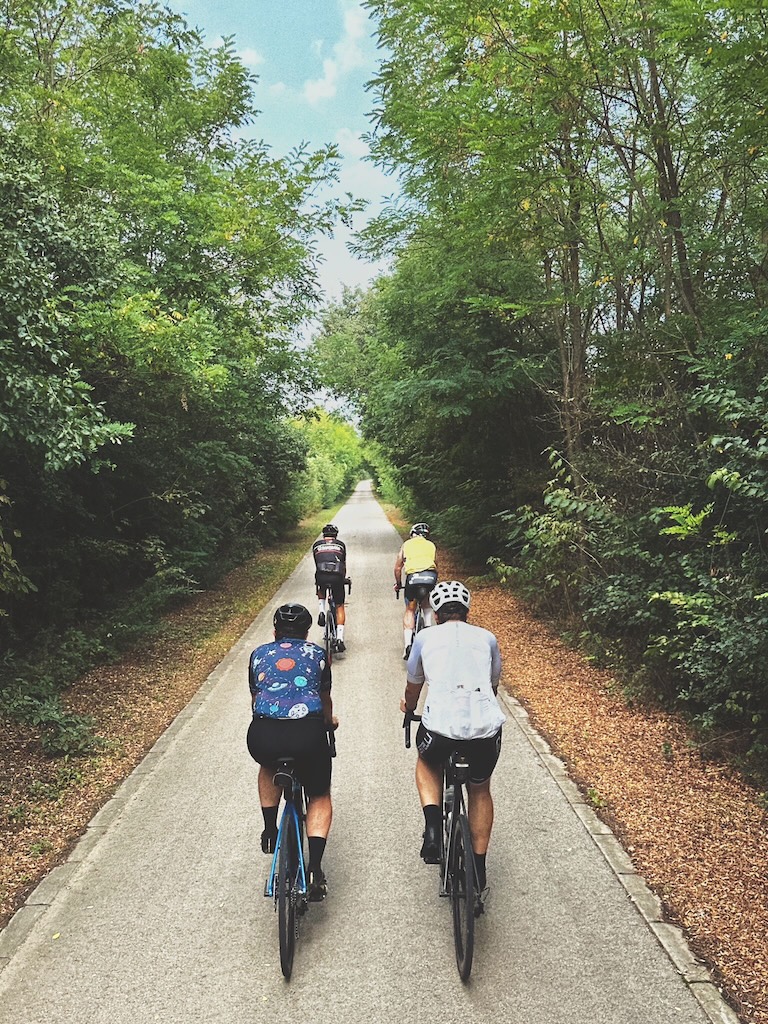
By law, cyclists must ride single file on public roads. Riding two abreast is only permitted during organized events or races. In reality, riding two abreast can actually be safer: it makes drivers notice you earlier, it shortens overtaking time and it reduces close passes.
I’ve never seen anyone fined for riding two abreast, but you should expect the occasional frustrated honk. Use common sense: single file on narrow or busy sections, two abreast when it clearly improves safety.
Dogs
Stray dogs are one of the most talked-about concerns — and yes, they are a real thing when cycling in Romania.
I don’t think I’ve ever had a full riding day here without being chased by at least one dog. That said, I’ve never had anything truly bad happen, apart from having to stop and walk for a bit.
Most village dogs are curious, territorial and completely fascinated by spinning wheels. They’ll often run alongside you barking, trying to “catch” the bike.
The simplest and most effective tactic is to dismount. Once you’re no longer moving, most dogs lose interest almost immediately. The bike is what excites them.
Shepherd Dogs
In rural Romania, flocks of sheep are still common, especially in hilly and mountainous areas. Herding dogs are trained to protect livestock and can be genuinely intimidating. Just this year I was surrounded by 8 (!) dogs while on a recon ride.
If you encounter them dismount immediately, stay calm and wait for the shepherd. They’re usually nearby. Let the shepherd call the dogs off. You can use your bike as a shield, by placing it between you and the dogs. Shouting at them at full volume helps in my experience (it also helps alert the shepherd), but only use it as an absolute last resort.
Some riders feel more comfortable carrying a sonic dog repellent or a dog-friendly pepper spray, but I have never used these before.
In the unlikely (and extremely unlucky) event of a bite, get to a hospital as soon as possible. Rabies shots are standard procedure. Remember, the emergency phone number in the EU is 112.
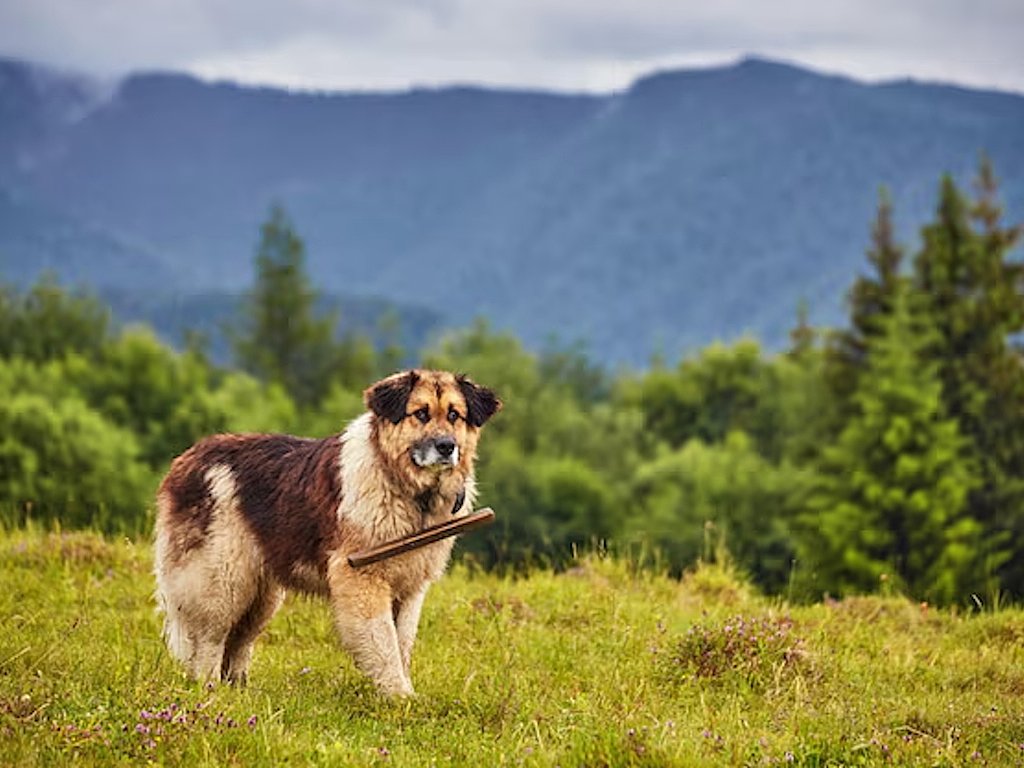
Romanian shepherd dogs (câine ciobănesc mioritic) look cute, until they start charging at you.
Bears and wildlife
Romania, especially Transylvania, has one of the largest brown bear populations in Europe.
As their natural habitat continues to shrink, bears are increasingly spotted closer to towns and villages, usually in search of food.
That said, actual encounters while cycling are rare. Personally, the largest animal I’ve ever had to face down was a very unimpressed cow. However, if you plan to ride the Transfăgărășan Pass, especially the southern side, you can expect to meet some bears as many motorists feed them. And I’m going to refrain from labeling said motorists before this turns into a rage post.
If you encounter a bear, stay calm and check for cubs, particularly whether you’re between a mother and them. If you are, retreat slowly and increase your distance.
If retreat isn’t possible make yourself look bigger. Raise your arms or backpack, make noise. Remember, bears are more afraid of you than you are of them. Running is ALWAYS a bad idea.
You can also carry bear spray, which is similar to regular pepper spray but has a much longer range. If you choose to use one, make sure you test it at home first. The last thing you want is to fumble with the safety clip in a real encounter. Also pay attention to the wind. It’s easy to forget in a stressful moment, but spraying into a headwind will blow the spray back at you and leave you far more vulnerable.
If you’re bikepacking or camping, never store food near your sleeping area. Keep food sealed and far away from camp, ideally hoisted into a tree. Most bear encounters near camps happen because of food smells, not curiosity.
General Safety
Romania is generally safe from a personal security point of view, especially in rural areas. Violent crime against tourists is rare, and cycling tends to attract curiosity more than unwanted attention.
That said, basic precautions apply. Lock your bike when leaving it unattended in towns or cities, avoid leaving gear visible on the bike overnight, and keep valuables with you. In villages, it’s often enough to ask someone if you can leave your bike in their yard or courtyard. People are usually happy to help.
So… Is Cycling in Romania Safe?
Yes. With the right preparation.
Cycling in Romania is best suited to confident cyclists who are comfortable with rural conditions, imperfect roads, and occasional unpredictability. Traffic behavior, stray dogs, and wildlife are real considerations, but none of them are deal-breakers if you understand what to expect and how to react. In return, you get quiet backroads, dramatic landscapes, traditional villages, and a style of travel that feels genuinely unfiltered.
Some riders choose guided tours not because Romania is unsafe, but because local knowledge reduces exposure to the main risks. Carefully planned routes avoid busy roads, guides know where dogs and wildlife are common, and overnight locations are chosen with safety in mind. With that groundwork done, the focus shifts away from risk management and back to what makes cycling here special: the riding itself.