 by Peter Illés on December 24th, 2025
Eastern Europe is quietly becoming one of the most rewarding regions in Europe for multi-day cycling holidays. With fewer crowds than the Alps, Tuscany, or the Balearic Islands, it offers something increasingly rare: vast spaces, raw nature, and routes that still feel like discoveries rather than attractions.
From long gravel tracks through forests to mountain passes that rival the great Alpine climbs, Eastern Europe rewards cyclists who value the journey, rather than ticking places off a checklist. Add to that strong local food cultures, living traditions, and a slower pace of travel, and it’s easy to see why more riders are looking east.
This guide looks at the key cycling destinations in Eastern Europe, the styles of bike tours they suit best, and how to choose the right region for your next trip.
Eastern Europe is not one single cycling experience. Terrain, culture, infrastructure, and riding style change dramatically from country to country, sometimes within just a few hours of riding.
Romania offers one of the most diverse cycling experiences in Eastern Europe. In a single trip, you can move from medieval Saxon villages to quaint Orthodox monasteries through remote gravel roads, dense forests, rolling farmland, and high mountain passes in the Carpathians.
What makes Romania particularly appealing for cycling holidays is the sheer density of quiet backroads and dirt trails. Away from main arteries, traffic drops off quickly, and riding becomes about rhythm rather than vigilance. Gravel riders, in particular, find an almost endless network of forest roads, farm tracks, and forgotten connectors that rarely appear in mainstream cycling guides.
Equally important is the way cycling fits into everyday life. Family-run guesthouses, hearty regional food, and a strong culture of hospitality make multi-day tours feel personal rather than transactional. Romania suits road cyclists, gravel riders, touring cyclists, and increasingly e-bike travellers, especially those looking for a premium experience built around local knowledge rather than infrastructure alone.
If you want to dive deeper into cycling in Romania, check out our post here.

Cycling in Romania often means cycling along endless pastures and wildflower meadows.
Moldova remains one of Eastern Europe’s least explored cycling destinations. What it lacks in infrastructure, it makes up for in wine culture, rural authenticity, and warm hospitality.
Cycling here is best suited to riders comfortable with simpler logistics and flexible planning, rewarded by a sense of travelling through a place that tourism has barely touched.
The Balkan countries are defined by dramatic terrain and strong contrasts. Steep climbs, rugged landscapes, and sudden shifts from coastal to mountainous riding make this region physically demanding but deeply rewarding.
Cycling here often feels raw and intense, with long ascents, remote roads, and a strong sense of scale. It suits experienced riders looking for challenge and adventure.
The Balkans also offer plenty of cultural and historical experiences and culinary delights for those who choose this region as their next destination.
Hungary offers a very different cycling experience from the other countries on this list. The terrain is mostly flat, with a some rolling hills, making it well suited to relaxed, cultural cycling holidays rather than epic climbing routes.
Regions like Lake Balaton, the Danube Bend, and the country’s wine regions lend themselves to slower itineraries where riding is balanced with food, wine, and thermal baths. Hungary is particularly appealing for riders who enjoy consistent daily distances, smooth pacing, and strong culinary traditions.
Check out this blog post for more info on travelling to Hungary on a bike.
Estonia, Latvia, and Lithuania are increasingly recognised as a gravel cycling paradise. Forest roads, flat-to-rolling terrain, and low traffic volumes make the Baltics ideal for riders who prioritise long days in the saddle over elevation gain.
Cycling here is quiet and meditative, often passing through pine forests, lakes, and small settlements rather than dramatic landmarks. That said, the region still has plenty to offer history and architecture enthusiasts as well, with vibrant Hansa towns standing as enduring reminders of the region’s proud trading past.
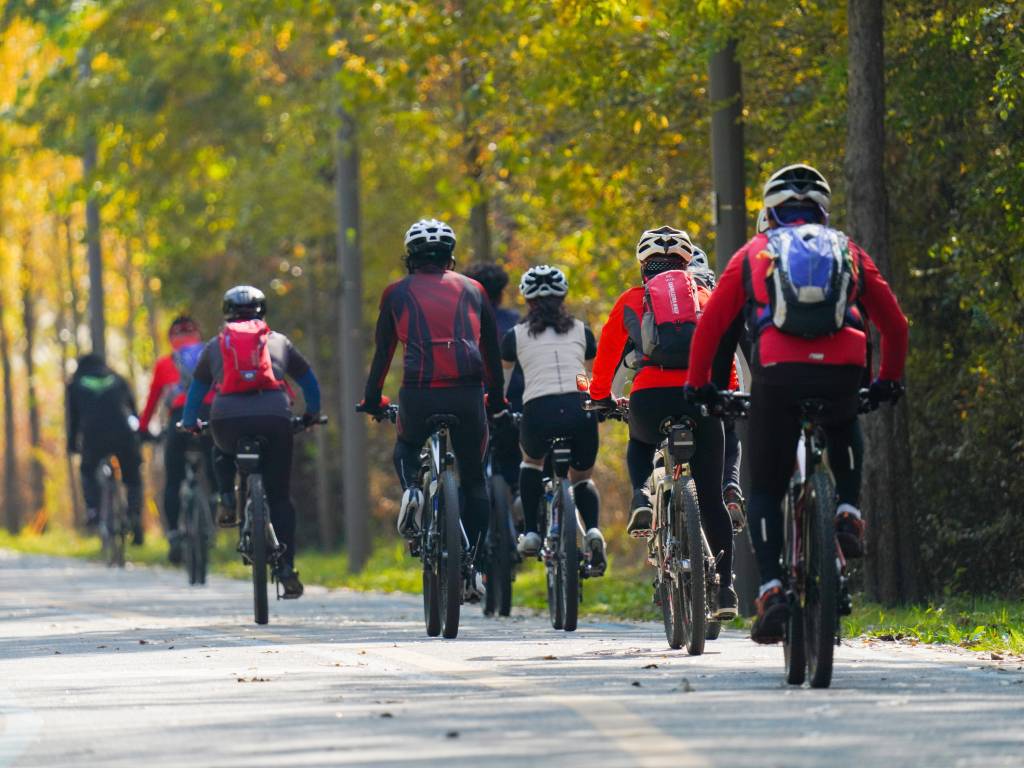
Expect flat roads and dense forests when cycling in the Baltics. 📸 by Kim Dae Jung
These countries once spanned vast, varied landscapes, ranging from open plains to mountain foothills, and offered remarkable cultural and historical depth. What endures from the past, and what they may one day offer cyclists, will only become clear once the current conflict has ended. We promise to update this post, as soon as that happens.
Eastern Europe offers a rare breadth of cycling experiences because its landscapes, food traditions, and rural life have developed slowly and unevenly. For cyclists, this means that changing regions often feels like changing countries, sometimes within a single day’s ride. Whether you are drawn to culture, food, gravel backroads, or big mountain climbs, the region supports a style of cycling that is increasingly hard to find elsewhere in Europe.
Cultural and slow-travel cycling holidays are among the most rewarding ways to experience Eastern Europe. These tours favour quiet secondary roads, rolling terrain, and relatively short daily distances that leave space for long lunches and spontaneous stops. In regions like Transylvania or Maramureș in Romania, Stara Planina or Trakiya in Bulgaria, North Macedonia, and southern Albania, cycling becomes a way to move through living traditions rather than curated attractions. Meals are typically homemade, accommodation is often family-run, and daily riding is shaped as much by village rhythms as by elevation profiles. This style suits cyclists who value atmosphere, food, and human connection over speed or mileage.
High mountain cycling tours in Eastern Europe appeal to riders looking for sustained climbs, dramatic scenery, and a sense of scale. The Carpathians, the Balkan ranges, and the Rhodope mountains offer long ascents through forested valleys and high alpine passes, often with surprisingly little traffic. What sets these climbs apart is not just their length or gradient, but the feeling of remoteness. Roads frequently pass through sparsely populated areas where mountain life still revolves around agriculture and seasonal rhythms, and post-ride meals tend to be hearty and simple, sourced from local ingredients.
Coastal cycling in Eastern Europe blends sea views with relaxed daily distances and food-forward riding days. The Dalmatian Coast delivers dramatic cliffside riding, island hopping, and historic towns where cycling days naturally end with seafood and long evenings by the water. Further east, along the Bulgarian Black Sea Coast, routes pass through vineyards and small fishing towns. For a warmer, less-polished alternative, the Albanian Riviera combines turquoise bays, punchy climbs, and minimal traffic, appealing to riders who enjoy coastal scenery with a sense of exploration rather than resort cycling.
Gravel cycling has found an especially natural home in Eastern Europe. Large areas of forest, farmland, and low-density countryside are connected by unpaved roads that were never designed for tourism but work beautifully for bikes. In places like the Apuseni Mountains, rural Transylvania, and wide stretches of the Baltics, gravel riding links villages, pastures, and deep woodland without the constant interruption of traffic. The terrain can be demanding and sometimes rough, but the reward is a sense of exploration that feels increasingly rare in Europe.
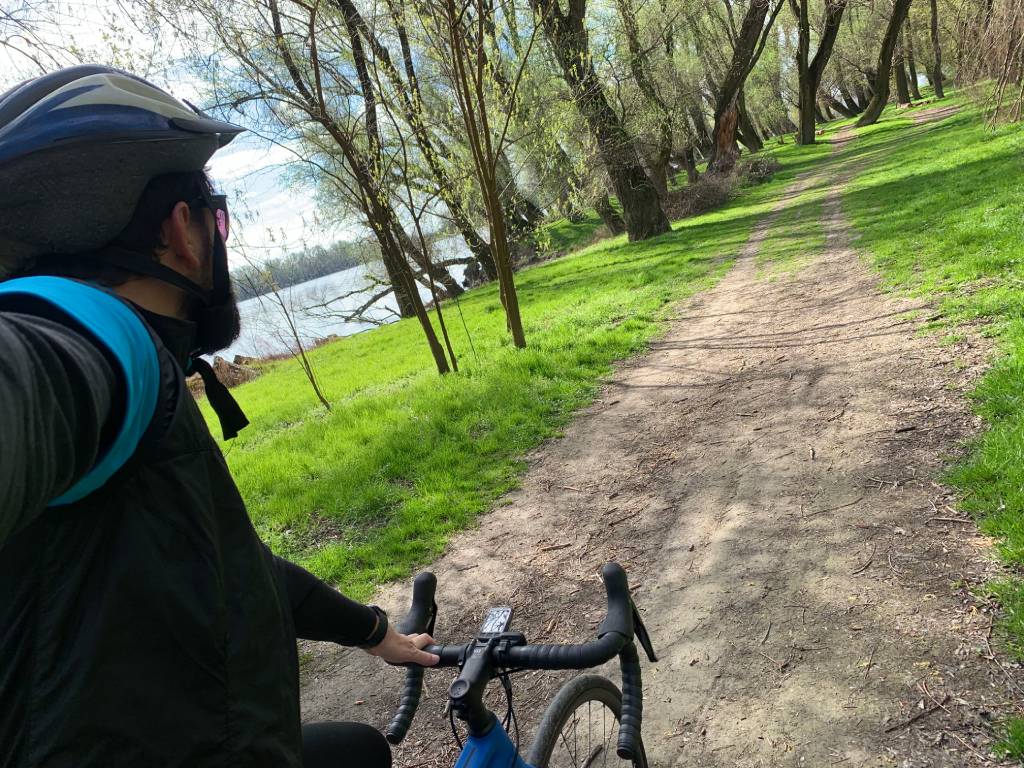
A huge density of forest and farm roads in Eastern Europe makes it a fantastic gravel destination.
Food-focused bike tours deserve their own mention because eating is not an afterthought in much of Eastern Europe. It is part of the cultural fabric. Cycling through much of Hungary, the whole of the Balkans, and Transylvania allows riders to experience how cuisine shifts with geography, history, and season. Meals are often slow, generous, and social, built around soups, stews, breads, pastries, and preserved foods that reflect both necessity and tradition. For cyclists who enjoy planning routes around markets, bakeries, and village kitchens, the region offers constant rewards.
Wine and bike cycling holidays are another natural fit for Eastern Europe. In Hungary, rolling routes around regions like Tokaj or Lake Balaton combine gentle riding with private cellar visits and long, food-led evenings. Moldova, one of Europe’s least-known wine producers, offers quiet roads through vineyard-dotted hills where cycling days often end with home-poured wines and simple, generous meals. Further south, in Bulgaria, the ancient wine region of Trakiya brings warmer climates, bold reds, and a slower rhythm, making it ideal for riders who prefer shorter distances, social afternoons, and routes shaped as much by tasting stops as by terrain.
Eastern Europe lends itself particularly well to multi-day, experience-driven cycling, rather than single-day loops. Riding from one cultural zone to another often brings changes in language, architecture, and cuisine, reinforcing the feeling of real travel rather than just exercise. These routes suit cyclists who enjoy endurance riding paired with immersion in place.
While independent travel is certainly possible, logistics require a bit more attention. Guided cycling holidays can significantly deepen the experience in Eastern Europe. Local route knowledge helps avoid busy roads, seasonal pitfalls, and dead ends, while access to trusted accommodation and regional food adds a layer that is hard to replicate on your own. In many parts of the region, guidance is less about convenience and more about unlocking landscapes and experiences that remain invisible to most visitors.
Cycling in Eastern Europe feels different from riding in Western Europe not because of difficulty, but because of contrast. Routes often pass through landscapes that haven’t been smoothed out for tourism. Working farmland, forest tracks, small villages, and historic towns where daily life still sets the rhythm of the road. You can move from quiet gravel to smooth tarmac, from alpine climbs to rolling wine country, within the same trip.
Infrastructure may be lighter, but that’s balanced by low traffic, welcoming locals, and a strong tradition of food-led hospitality. Long lunches, home-cooked dinners, and family-run guesthouses are part of the experience rather than add-ons.
For cyclists willing to look beyond the obvious, Eastern Europe offers some of the most rewarding cycling holidays on the continent, journeys defined as much by food, people, and untouched landscapes as by distance and elevation.
